

SKUNKZ Cannabis
Sign In
Install App
Shop All
Shop Deal
Category
Shop by Price
Shop by Brands
Home
Cbd
    logo

    SKUNKZ Cannabis – Grand Rapids 📞 (616) 256-8699 1628 Division Ave S, Grand Rapids, MI 49507

    Company

    About UsContactLocationPrivacy PolicyTerms & Conditions Frequently Asked Questions BrandsDeals

    Shop

    FlowerPre RollsVapesConcentrateEdiblesTopicalsTincturesCBDAccessoriesApparel

    SKUNKZ Cannabis is a locally-owned cannabis destination built around quality, freshness, and community. Serving West Michigan, our shop is designed to create a welcoming experience for everyone, whether you’re a seasoned enthusiast or exploring cannabis for the first time.

    Powered by Buddy

    Home

    Deals

    Profile

    0

    Cart

    Shop

    Menu

      Cbd

      Promotional banner

      Sort By

      Sort By

      FILTERS

      Today's Specials


      Categories


      Brands


      Strain Types


      Price

      Price : $0 - $300


      Potency

      THC : 0% - 100%


      CBD : 0% - 100%


      Effects

      The Skunkz field notes: CBD, labels, and responsible use

      Cannabis CBD.
      Know your essentials.

      Get to know cannabis CBD, one guide at a time. Straightforward reads on formulas, cannabinoid labels, and responsible storage, with the essentials at a glance.

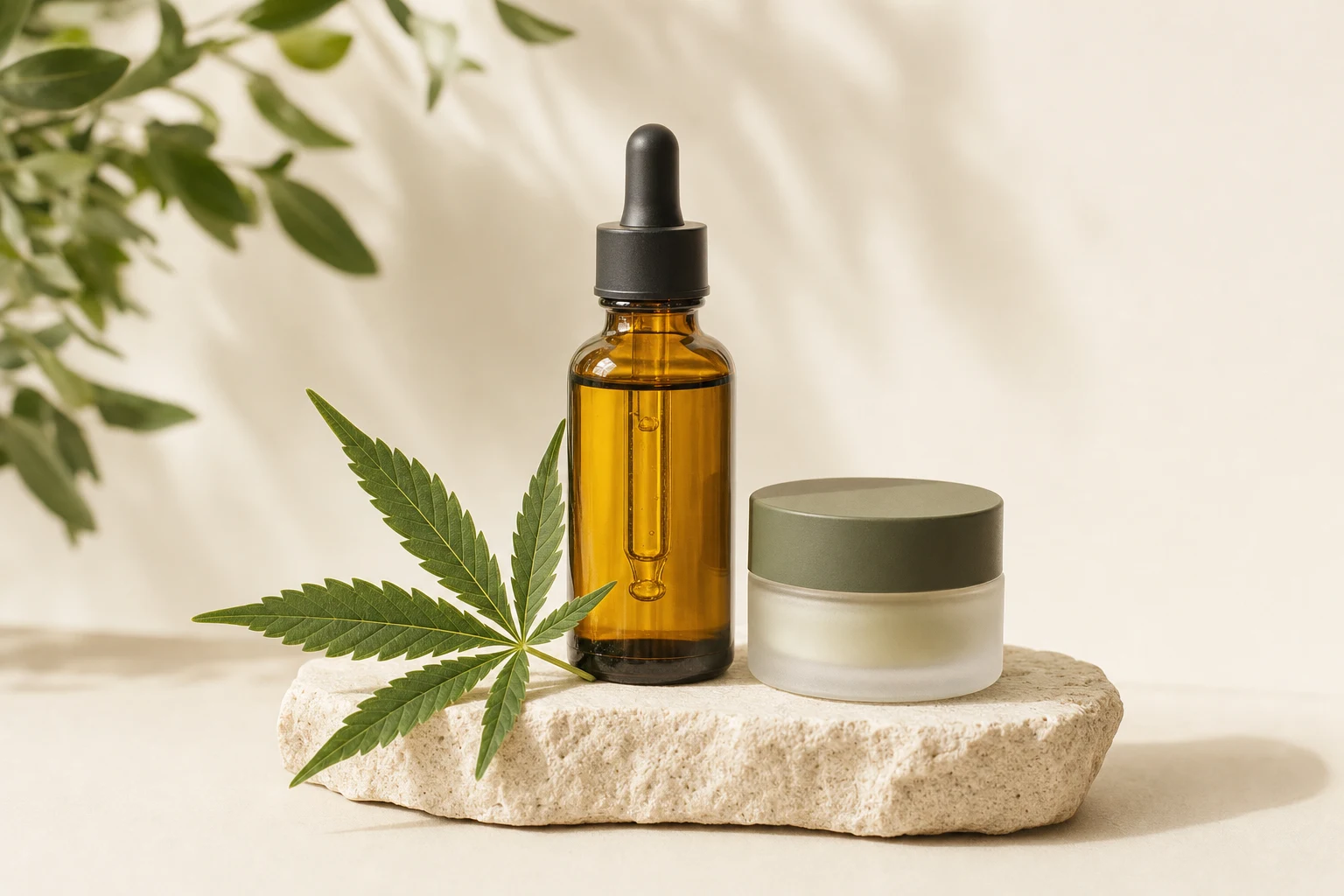
      Amber botanical oil dropper bottle beside a green cannabis leaf.01

      CBD essentials

      Get to know cannabis CBD

      Start with the cannabinoid, not the claims. Learn what CBD is, how it differs from THC, and why the full formula matters.

      1
      Identity
      CBD is short for cannabidiol
      2
      Composition
      CBD products may also contain THC
      3
      Formats
      Oils, capsules, edibles, and topicals differ

      Understanding CBD and its product formats

      CBD, short for cannabidiol, is one of the cannabinoids found in cannabis. It is distinct from THC, the cannabinoid most associated with the cannabis high. CBD itself does not typically produce that high, but this does not mean every CBD product is non-impairing or risk-free.

      A CBD product can contain other cannabinoids, including THC. Some formulas combine substantial amounts of both. Read the actual cannabinoid amounts rather than treating the word CBD as a promise about how a product will feel.

      CBD may come from plants classified as hemp or from other cannabis plants. The CBD molecule is the same, but product composition, testing requirements, and legal rules can differ. Hemp-derived does not automatically mean THC-free, approved for every use, or legal everywhere.

      Full-spectrum generally describes an extract containing multiple plant compounds, potentially including THC. Broad-spectrum generally describes an extract processed to remove THC. Isolate refers to purified CBD. These terms are not substitutes for batch-specific testing, and labeling practices vary.

      CBD appears in oils, capsules, edibles, topicals, and some inhaled products. Each format has different directions and exposure risks. An oral oil is not a vape liquid, and a topical is not meant to be swallowed. Use a product only by the route stated on its label.

      Choose with the ingredient list, cannabinoid amounts, and available testing in view. A botanical image, premium packaging, or a high CBD number does not establish quality or guarantee an outcome. Store staff can clarify product details without making medical recommendations.

      CBD describes an ingredient, not a guarantee about the whole product.
      Explore the menu→
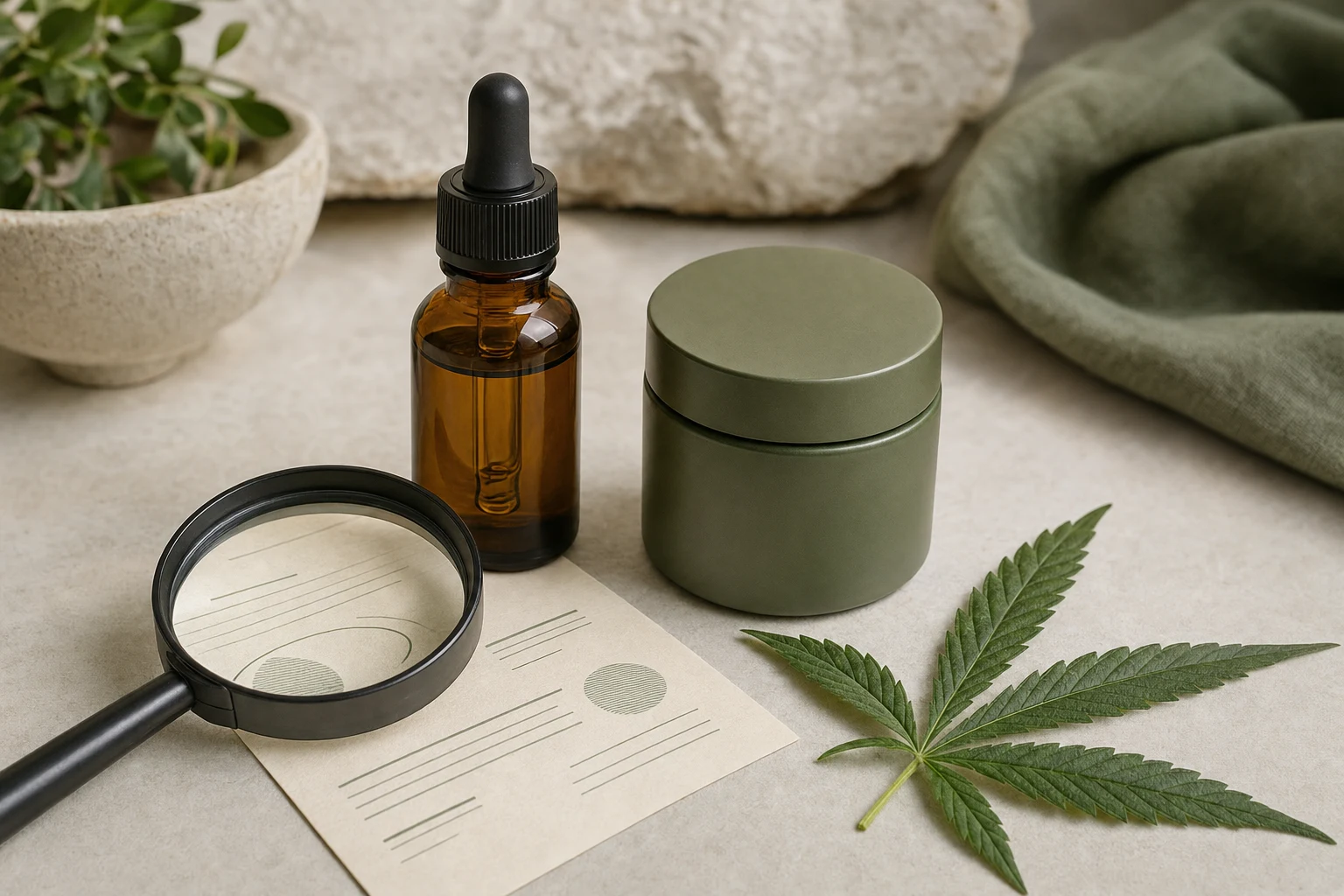
      Amber oil bottle and olive balm jar beside a magnifying glass for reviewing product details.02

      Labels and ratios

      Read beyond the CBD number

      Make clearer comparisons. Check CBD and THC amounts, serving information, and the batch details behind the label.

      1
      Amounts
      Separate package totals from serving amounts
      2
      Ratios
      Confirm the order of CBD and THC
      3
      Testing
      Match the report to the batch or lot

      Making sense of a CBD label

      Start by checking what the prominent milligram number describes. It may be the CBD in the entire bottle or package, rather than in one serving. Look separately for serving size, servings per container, and the amount of each cannabinoid per serving.

      For liquids, volume and cannabinoid content are different measurements. Milliliters describe liquid volume; milligrams describe the amount of a substance such as CBD. Do not assume one dropper equals one serving or that all droppers have the same capacity. Use the markings and directions supplied with the product.

      A ratio compares cannabinoid proportions, not total strength. Confirm whether the label lists CBD:THC or THC:CBD before interpreting it. Two products with the same ratio can contain very different amounts of each cannabinoid, so compare the actual milligrams as well.

      Review the THC amount even when CBD appears first in the product name. Full-spectrum products may contain THC, and broad-spectrum or isolate claims do not guarantee a negative drug test. If testing matters for work or another requirement, a CBD label cannot remove that uncertainty.

      When available, find a certificate of analysis that matches the package batch or lot. Review cannabinoid results, the report date, and the contaminants included in the test panel. A result marked not detected depends on the test method and its detection limit; it is not proof that every trace is absent.

      Check carrier oils, flavorings, allergens, and any other active ingredients. For topicals, read the intended application instructions and avoid assuming that the total CBD in the jar equals a single application. Review the seal and expiration or best-by information before choosing.

      Read CBD, THC, serving size, and batch information together.

      Explore the menu→
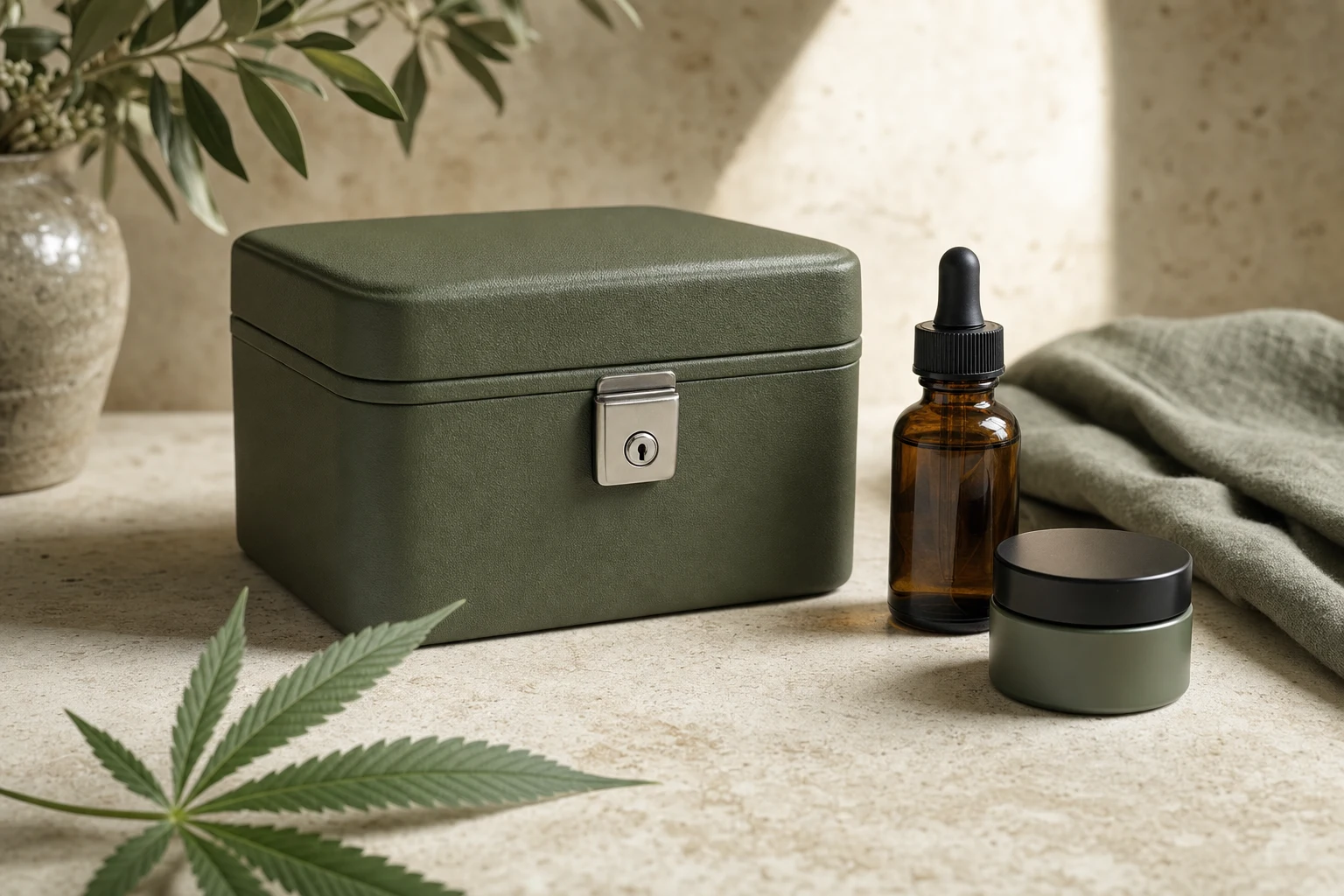
      Closed amber oil bottle and sage jar beside a lockable storage box.03

      Use and storage basics

      Handle thoughtfully. Store securely.

      Non-intoxicating does not mean without risk. Keep directions, medication interactions, and locked storage in focus.

      1
      Precautions
      CBD can interact with medications
      2
      Directions
      Use only by the labeled route
      3
      Storage
      Original packaging, closed and locked away

      Using and storing CBD responsibly

      Read the complete label before use. There is no universal CBD amount that suits everyone, and a package serving is not personalized medical guidance. Ask a healthcare professional about personal health concerns rather than relying on product names or testimonials.

      CBD can cause side effects, including drowsiness and digestive upset, and can interact with prescription medicines, over-the-counter medicines, and supplements. It can also affect the liver. Talk with a clinician or pharmacist before use if you take medication or have a health condition.

      Products containing THC may cause intoxication even when marketed around CBD. CBD does not reliably cancel THC impairment. Do not drive or operate machinery while impaired or drowsy, and avoid combining cannabis products with alcohol or other impairing substances.

      Follow format-specific directions. Swallowed products can have delayed effects, so do not take more simply because nothing is noticeable immediately. Do not inhale an oral oil or swallow a topical. Smoking and vaping carry their own risks, regardless of whether CBD is present.

      Avoid CBD and other cannabis products during pregnancy or breastfeeding. Keep products intended for adults away from children and pets. Do not share your product with a pet; a veterinarian should advise on animal health concerns.

      Store products in their original labeled packaging, tightly closed and secured in a locked location. Follow label instructions for temperature and light exposure. Do not use products with suspected contamination or damaged seals. For accidental ingestion, contact poison control promptly, or a veterinarian for pets; seek emergency help for severe symptoms.

      Check interactions, follow the label, and make locked storage routine.

      Explore the menu→

      From the menu

      Cannabis CBD spotlight

      Check current availability and review the full cannabinoid profile before choosing.

      Explore the menu→

      Check the current CBD selection

      A CBD spotlight is not available right now. Browse the current menu or ask store staff about CBD product availability.

      Quick answers

      Cannabis CBD FAQs

      A few common questions, answered plainly. Keep these essentials in mind when comparing CBD formulas, reading ratios, and planning for responsible storage.

      01

      What is CBD?

      CBD stands for cannabidiol, a cannabinoid found in cannabis. It differs from THC and does not typically produce the THC-associated high on its own. A finished CBD product may contain THC and other ingredients, so review the complete formula rather than the name alone.

      02

      Are all CBD products THC-free?

      No. Full-spectrum formulas may contain THC, and some products intentionally combine CBD and THC. Broad-spectrum and isolate descriptions do not replace batch testing or guarantee a negative drug test. Check both cannabinoid amounts and available test results.

      03

      What does a CBD:THC ratio mean?

      It describes the relative amounts of those cannabinoids in the order shown. A CBD:THC ratio of 1:1 indicates equal amounts, not a particular serving strength. Always confirm the order and read the actual milligrams per serving and per package.

      04

      Is hemp seed oil the same as CBD oil?

      No. Hemp seed oil is made from seeds and is not a meaningful natural source of CBD. It may be used as a carrier oil in a formula with added CBD. Look for an explicit CBD amount and cannabinoid testing rather than relying on the word hemp.

      05

      Can CBD interact with medications?

      Yes. CBD can affect how some medicines are processed and may increase drowsiness with other substances. Ask a clinician or pharmacist about your medications and supplements before use. Do not stop or change prescribed treatment based on a retail product description.

      06

      How should I store CBD products?

      Keep them in their original labeled containers, closed and locked away from children and pets. Follow the product instructions for temperature, sunlight, and any refrigeration requirements. Check expiration information and avoid products with damaged seals or suspected contamination.

      For adults of legal purchasing age only. Educational information, not medical advice. CBD can interact with medications and products may contain THC. Do not drive while impaired. Keep cannabis away from children and pets.

      Explore the menu→