

SKUNKZ Cannabis
Sign In
Install App
Shop All
Shop Deal
Category
Shop by Price
Shop by Brands
Home
Topicals
    logo

    SKUNKZ Cannabis – Grand Rapids 📞 (616) 256-8699 1628 Division Ave S, Grand Rapids, MI 49507

    Company

    About UsContactLocationPrivacy PolicyTerms & Conditions Frequently Asked Questions BrandsDeals

    Shop

    FlowerPre RollsVapesConcentrateEdiblesTopicalsTincturesCBDAccessoriesApparel

    SKUNKZ Cannabis is a locally-owned cannabis destination built around quality, freshness, and community. Serving West Michigan, our shop is designed to create a welcoming experience for everyone, whether you’re a seasoned enthusiast or exploring cannabis for the first time.

    Powered by Buddy

    Home

    Deals

    Profile

    0

    Cart

    Shop

    Menu

      Topicals

      Promotional banner

      Sort By

      Sort By

      FILTERS

      Today's Specials


      Categories


      Brands


      Strain Types


      Price

      Price : $0 - $300


      Potency

      THC : 0% - 100%


      CBD : 0% - 100%


      Effects

      The Skunkz field notes: cannabis topicals, labels, and responsible use

      Cannabis Topicals.
      Know your essentials.

      Get to know cannabis topicals, one guide at a time. Straightforward reads on formulas, package labels, and responsible storage, with the essentials at a glance.

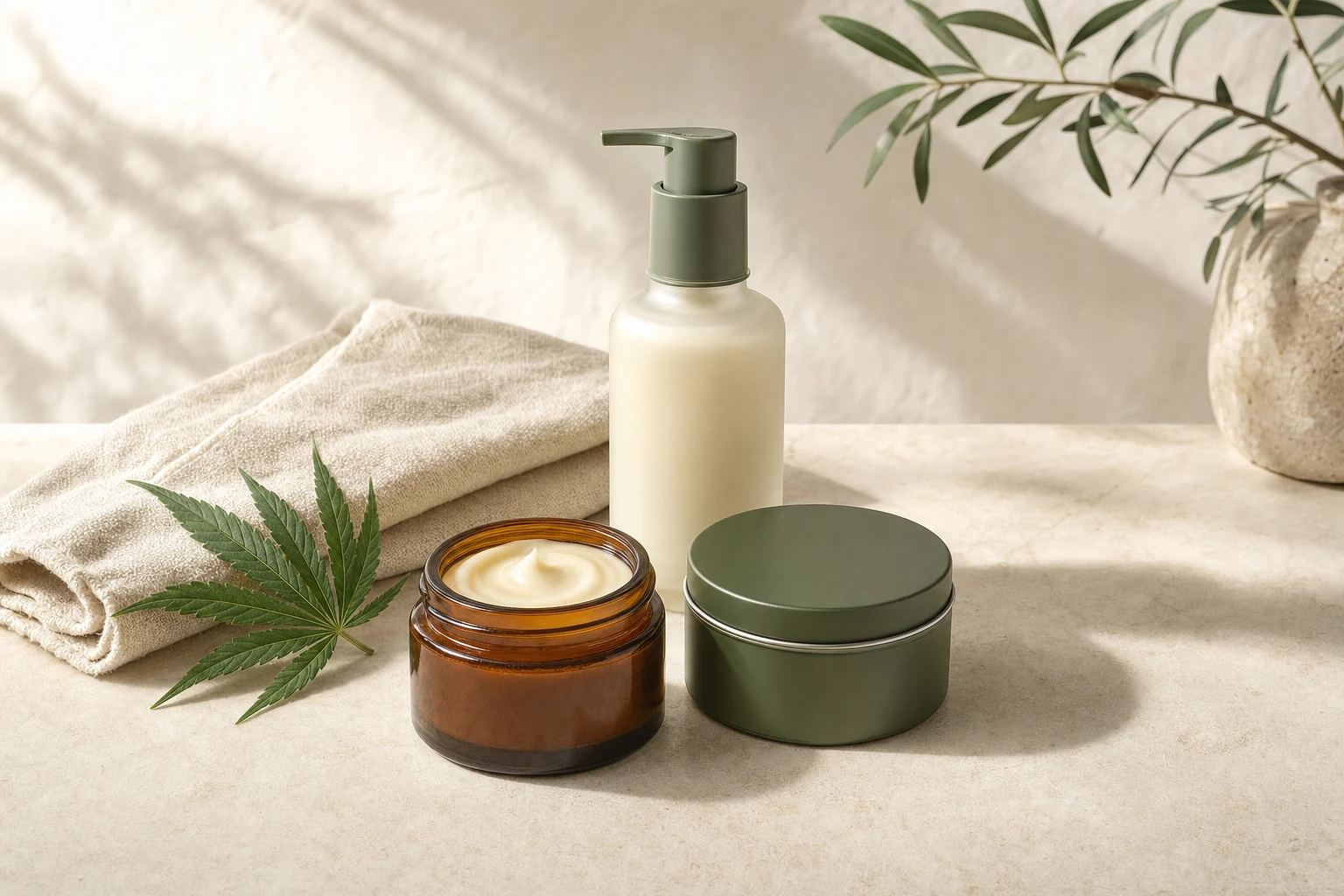
      Amber balm jar, olive salve tin, and lotion pump arranged on a neutral surface.01

      Topical essentials

      Get to know cannabis topicals

      Start with the format. Learn how lotions, balms, and salves differ, and why topical and transdermal products are not interchangeable.

      1
      Format
      Cannabis-infused products applied to the skin
      2
      Formula
      Cannabinoids, base ingredients, and fragrances vary
      3
      Distinction
      Transdermal products are a separate consideration

      Understanding topicals and their ingredients

      Cannabis topicals are products formulated for application to the skin. Common formats include lotions, creams, balms, salves, and roll-ons. They may contain THC, CBD, or a combination of cannabinoids alongside oils, waxes, and other base ingredients.

      Lotions and creams often combine water and oils, while balms and salves commonly use oils and waxes for a thicker texture. These names are not standardized recipes. Check the actual ingredient list rather than assuming every balm or lotion has the same composition.

      Conventional topicals are generally intended for local skin application, not for delivery of cannabinoids throughout the body. Transdermal products are specifically formulated to deliver ingredients through the skin into circulation. A patch or gel may be transdermal, but the format alone does not confirm this.

      Conventional topicals are generally not expected to produce the intoxicating effects associated with inhaled or ingested THC. This is not a guarantee for every formulation. THC-containing transdermal products may cause intoxication, so read the product-specific warnings carefully.

      Fragrances, essential oils, menthol, and other ingredients can affect how a formula feels on the skin and may cause irritation or sensitivity. A cooling or warming sensation does not tell you how much cannabis is being absorbed or establish product quality.

      Compare intended use, ingredients, cannabinoid information, and available batch testing together. A higher milligram number does not automatically mean a better fit. Ask store staff to clarify package information without relying on product names as promises of results.

      Know the formula and whether it is topical or transdermal before choosing.
      Explore topicals→
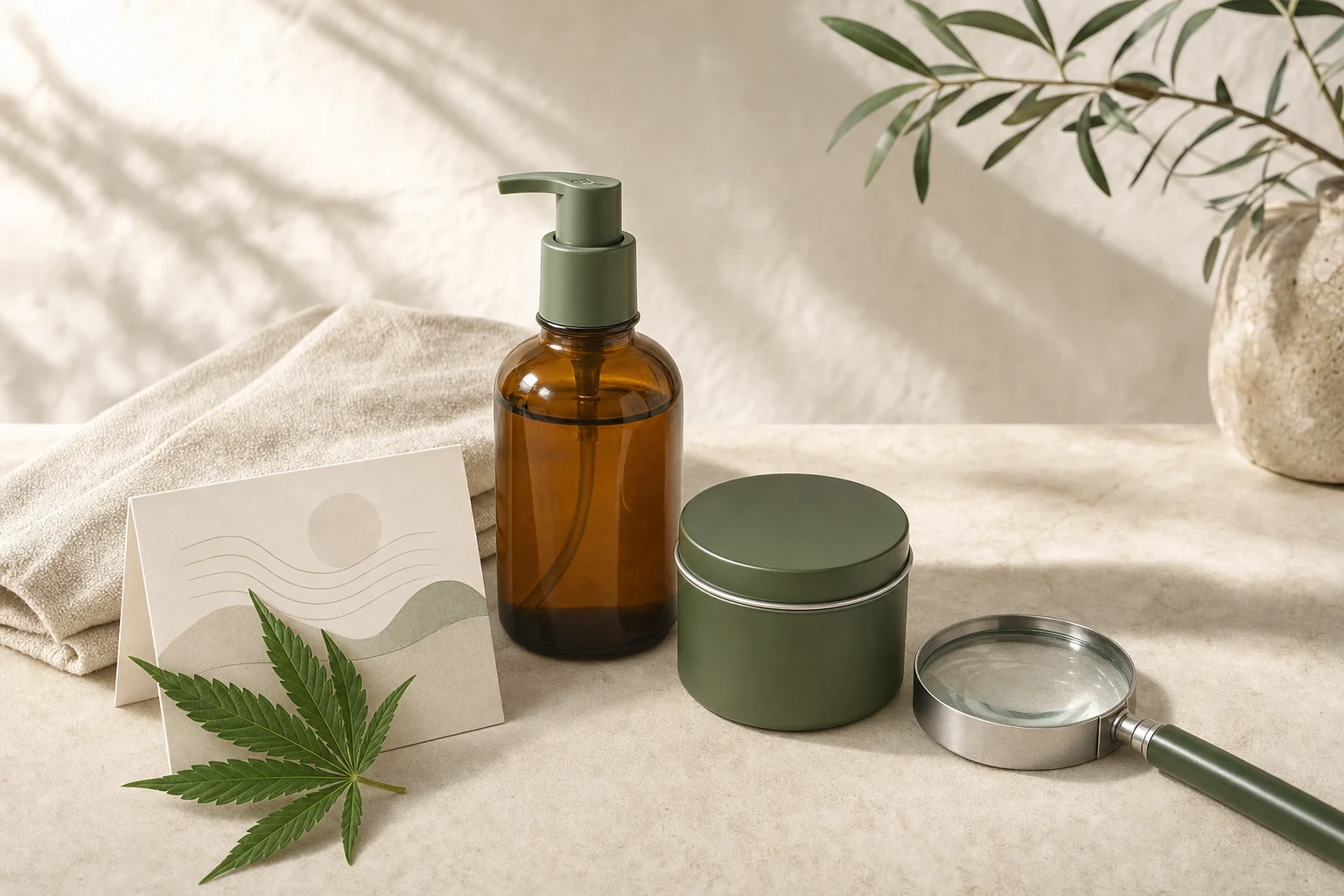
      Amber topical lotion bottle and olive balm jar arranged for a closer look at product packaging.02

      Labels and ingredients

      Read the jar, not just the milligrams

      Make clearer comparisons. Check cannabinoid totals, container size, and the complete formula instead of relying on a single number.

      1
      Quantity
      Package milligrams are not an application amount
      2
      Ratio
      THC:CBD describes proportions, not total strength
      3
      Ingredients
      Review the base, fragrance, and product warnings

      Making sense of a topical label

      Start with the net contents and the cannabinoid amounts. A number on the front of a jar may describe total cannabinoids in the entire package, rather than the amount in one application. Check whether it refers to THC, CBD, or their combined total.

      Container weight or volume describes how much formula is included. It is different from the cannabinoid content. Compare products using equivalent units and the same cannabinoid measure; a larger jar does not necessarily contain a more concentrated formula.

      A THC:CBD ratio describes the relative proportions of those cannabinoids. A 1:1 product has roughly equal amounts, but the ratio alone does not reveal the total content. Read the listed amounts and confirm which cannabinoid is written first.

      Review all ingredients, including carrier oils, waxes, preservatives, fragrances, and other active ingredients where listed. Check for known sensitivities and allergy warnings. Terms such as natural, botanical, or unscented do not guarantee that a formula will suit your skin.

      Look for application directions, intended body areas, frequency limits, and any transdermal designation. Do not assume that a pump dispenses a measured cannabinoid amount unless the label explicitly says so. Package totals are not instructions for how much to apply.

      When available, review a certificate of analysis that matches the package batch or lot. Check the cannabinoids reported, the report date, and the contaminants included in testing. Also review the seal, expiration information, and storage directions. Testing does not eliminate every risk.

      Read cannabinoid totals, container size, ingredients, and directions as a complete picture.

      Browse topicals→
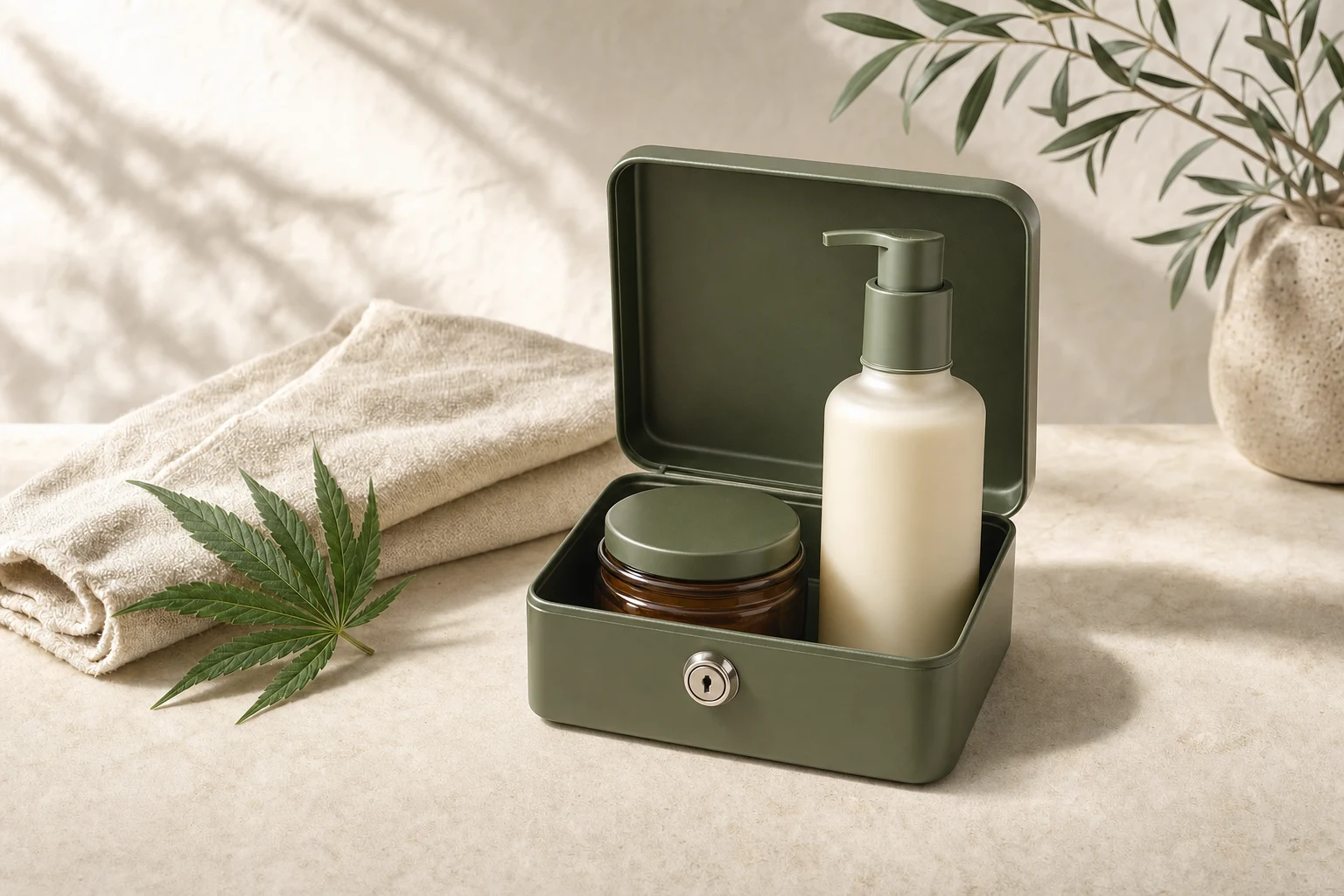
      Closed topical containers beside an olive storage case for secure storage.03

      Use and storage basics

      Apply thoughtfully. Store securely.

      Skin application still calls for care. Follow the label, watch for irritation, and keep every container securely stored between uses.

      1
      Application
      Follow the directions for the specific formula
      2
      Precautions
      Avoid eyes, broken skin, and unintended contact
      3
      Storage
      Original packaging, closed and locked away

      Using and storing topicals responsibly

      Read the full label before the first application and use the product only as directed. Ordinary skin topicals are not intended to be swallowed. Do not repurpose an oral oil as a topical or use a skin product by another route unless its label specifically allows it.

      For a new formula, follow any patch-test instructions and consider trying a small area of intact skin first. A small-area test cannot rule out every reaction. Stop using the product if irritation occurs; seek medical advice for a persistent or significant reaction.

      Keep ordinary skin topicals away from eyes, mucous membranes, and broken or irritated skin unless the product is specifically labeled for that use. Wash hands after application unless the label directs otherwise, and avoid transferring residue to other people, food, or pets.

      Do not add heating pads, tight coverings, or extra applications to increase absorption. Follow the product directions about clothing, water exposure, and application intervals. If the product is transdermal, review its specific precautions rather than treating it like an ordinary lotion.

      Keep the container tightly closed in its original labeled packaging. Follow the stated temperature requirements and protect it from direct heat and sunlight. Use clean hands or an appropriate clean applicator, and do not add water or other ingredients to the formula.

      Store topicals locked away from children and pets, separately from ordinary toiletries to reduce mix-ups. Keep used patches and product residue out of reach as well. For accidental ingestion, contact poison control promptly, or a veterinarian for pets; seek emergency help for severe symptoms.

      Follow the label, prevent unintended contact, and make locked storage routine.

      Explore topicals→

      From the menu

      Cannabis topical spotlight

      Take a closer look at a topical from the current menu.

      Shop all topicals→
      Northern Connections 1000mg Topical 1:1 THC:CBD Extra Strength ReliefTopical spotlight

      Northern Connections

      Northern Connections 1000mg Topical 1:1 THC:CBD Extra Strength Relief

      Size
      7g
      THC
      0.92%
      CBD
      0.9%

      $50.00

      View product →

      Review ingredients, application directions, and batch information before choosing. Cannabinoid content is not a quality score.

      Quick answers

      Cannabis Topical FAQs

      A few common questions, answered plainly. Keep these essentials in mind when comparing formulas, reading labels, and planning for responsible storage.

      01

      What is a cannabis topical?

      A cannabis topical is a product formulated for application to the skin, such as a lotion, cream, balm, salve, or roll-on. It may contain THC, CBD, or both. Ingredients and directions vary, so read the specific label rather than treating all topicals alike.

      02

      Will a cannabis topical make me feel high?

      Conventional topicals are generally not expected to cause intoxication when used as directed, but this is not a guarantee for every formula. THC-containing transdermal products may cause intoxicating effects. Check the formulation and warnings, and never drive if you feel impaired.

      03

      Are topical and transdermal products the same?

      No. Conventional topicals are generally intended for local skin application. Transdermal products are designed to deliver ingredients through the skin into circulation. Do not infer this distinction from the package shape: read the label and ask the retailer if the intended delivery method is unclear.

      04

      Does the milligram number describe one application?

      Often it describes the cannabinoid content of the entire package. Check whether the number is THC, CBD, or a combined total, and whether a measured application is specified. A package total or a THC:CBD ratio is not an instruction for how much to apply.

      05

      Can I use a topical on sensitive or broken skin?

      Check the warnings and ingredient list first. Fragrance, essential oils, and other ingredients may irritate sensitive skin. Do not apply ordinary skin topicals to broken skin, eyes, or mucous membranes unless specifically labeled for that use. Stop if irritation occurs and consult a healthcare professional about skin concerns.

      06

      How should I store cannabis topicals?

      Keep the original labeled container tightly closed and follow its storage instructions. Protect it from heat and direct sunlight, and place it in locked storage away from children and pets. Keep it separate from ordinary toiletries, and do not use a product with a damaged seal or suspected contamination.

      For adults of legal purchasing age only. Educational information, not medical advice. Follow product directions and consult a healthcare professional about medications, skin concerns, pregnancy, or breastfeeding. Do not drive while impaired. Keep cannabis away from children and pets.

      Explore the menu →