
Small Details That Separate a Useful Rolling Tray From a Frustrating One

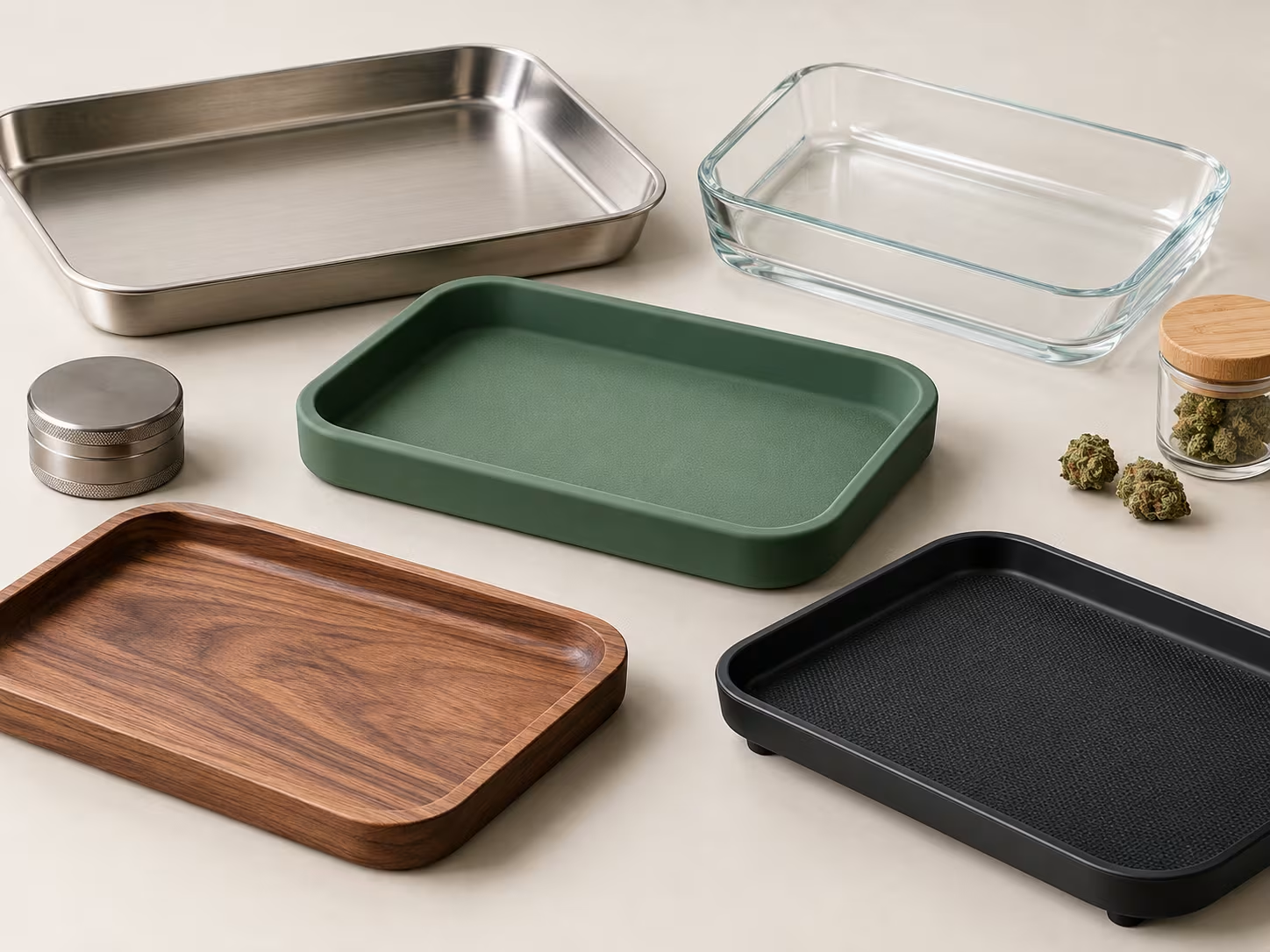
A rolling tray may look like a simple cannabis accessory, but its design can greatly affect everyday use. Features such as raised edges, rounded corners, smooth surfaces, and a stable base help keep items organized and make cleaning easier. Tray size, material, weight, and portability also influence convenience and durability. Metal, glass, wood, plastic, and silicone each offer different benefits and care requirements. Additional features like compartments and covers can improve organization when designed properly. Before buying a rolling tray, consider its construction, cleaning needs, storage space, and practical features to find an option that suits your needs.
A rolling tray may look like a simple accessory, but small design details can make a big difference in how easy it is to use. Discover how edges, corners, surface materials, size, and stability affect everyday convenience and cleanup.

A rolling tray provides a dedicated surface for organizing small accessories and loose plant material. It can help keep items in one place and make cleanup easier. However, not every tray offers the same level of convenience.
Some trays have sharp corners that collect debris. Others have shallow edges that allow small pieces to fall onto the table. A tray may also have a surface that scratches easily or becomes difficult to clean after repeated use.
These problems may seem minor at first. Over time, they can make a simple task more frustrating. A well-designed rolling tray should support an organized workspace without creating extra work.
1. Raised Edges That Help Keep Things in Place
One of the most useful features of a rolling tray is its raised edge. This border helps contain small items and loose material instead of allowing them to slide onto the surrounding surface.
However, the height and shape of the edge matter. Very low edges may provide limited protection against spills. Extremely tall edges can make it harder to reach items near the sides.
A tray with moderately raised edges often provides a practical balance. The border should be high enough to contain small items while allowing comfortable access to the tray's contents.
The edge should also feel smooth. Rough or poorly finished borders can make the tray less comfortable to handle and may create areas where residue collects.
2. Corners That Are Easy to Clean
Corners are easy to overlook when choosing a rolling tray. Yet, they can affect how quickly the tray can be cleaned after use.
Trays with tight, sharp interior corners may collect fine particles and residue. These areas can be difficult to reach with a cloth, especially when the tray has a textured surface.
Rounded interior corners can make cleaning more convenient because there are fewer narrow spaces where debris can become trapped.
The shape of the corners should match the tray's overall design. A smooth transition between the base and the sides is generally easier to maintain than a design with several small gaps or hard-to-reach joints.
3. A Surface That Supports Easy Cleaning
The tray's surface is another important detail. A smooth surface can make it easier to gather loose particles and wipe away ordinary residue.
Some trays use polished metal, while others are made from glass, plastic, wood, or silicone. Each material has different care requirements.
- Metal: Often lightweight and durable, although the finish can scratch or become dented.
- Glass: Offers a smooth surface but can break if dropped.
- Plastic: Can be lightweight and affordable, but durability depends on the material and construction.
- Wood: Provides a natural appearance but may require more careful cleaning, especially when unfinished or porous.
- Silicone: Can be flexible, although texture and odor retention depend on its quality and design.
The best choice depends on how the tray will be used and maintained. A surface should be easy to inspect, compatible with the intended cleaning method, and free from damage that could make maintenance more difficult.
4. The Right Tray Size for the Available Space
A large rolling tray offers more room for organizing accessories. However, it may take up too much space on a small desk or table.
A compact tray is easier to store and move, but it may feel crowded when several items are placed on it. Small trays can also make it harder to separate accessories and keep them organized.
Before choosing a size, consider where the tray will usually be used and stored. Measure the available surface if necessary. Think about the number of accessories that need to fit comfortably without stacking or overlapping.
Practical tip: Choose a tray with enough usable space for its intended purpose, while keeping storage and portability in mind.
5. A Stable Base That Does Not Slide Easily
A rolling tray becomes frustrating when it moves around during use. A lightweight design can be convenient for portability, but it may slide more easily on a smooth table.
The base can help solve this problem. Some trays use a broad, flat bottom, while others include non-slip features or a separate protective mat.
A flat and stable base helps the tray sit evenly on a suitable surface. If the tray has feet or a textured underside, check whether they are securely attached and appropriate for the surfaces where it will be placed.
Stability is especially important when the tray holds several small accessories. A tray that shifts easily can disturb the arrangement of its contents and increase the chance of spills.
6. Material Quality and Everyday Durability
Appearance alone does not tell you how long a rolling tray will last. Material quality, thickness, construction, and finish all influence its durability.
Thin metal may bend under pressure. Poorly finished plastic may crack or develop rough edges. Glass can chip or break after an impact. Wood may warp or become damaged if exposed to unsuitable moisture conditions.
Inspect the tray before buying it. Look for sharp edges, uneven surfaces, loose parts, visible cracks, or signs of poor finishing. For metal trays, check whether the edges are smooth and the surface coating appears consistent.
Material safety also matters. Choose a product made from materials intended for its expected use, and follow the manufacturer's cleaning and care instructions. Avoid using a tray with peeling coatings, damaged surfaces, or unknown finishes that may contact its contents.
7. Weight and Portability
A rolling tray should be easy to move when needed. However, a very lightweight tray may be less stable, while a heavy tray can be inconvenient to carry or store.
The right weight depends on the intended use. A tray that stays on a desk may benefit from a more substantial construction. Someone who needs to put the tray away after each use may prefer a lighter design.
Consider how often the tray will be moved and where it will be stored. The tray should be comfortable to lift without feeling flimsy or difficult to control.
Handles are not necessary for every design, but a shape that is easy to grip can make moving the tray more convenient.
8. Extra Features Should Have a Clear Purpose
Some rolling trays include built-in compartments, accessory holders, magnetic sections, or matching covers. These features can improve organization, but they can also make cleaning and storage more complicated.
Compartments are useful when they separate items that would otherwise become mixed together. A matching cover may help keep dust away during storage. However, extra sections can create more corners where residue collects.
Before choosing a tray with additional features, ask whether those features solve a real problem. A simple tray with a smooth surface may be easier to maintain than a complicated design with many small sections.
The goal is not to choose the tray with the most features. It is to choose one that offers the features that are actually useful.
9. Design Details That Make Storage Easier
Storage is another part of the rolling tray experience. A tray may work well on a table but become inconvenient if it does not fit inside a drawer or storage case.
Check the tray's length, width, height, and overall shape. Consider whether it can be stored flat and whether its raised edges make it too tall for the intended space.
Stackable trays can be useful for people who keep several accessories together. A tray with a compatible cover may also help reduce dust during storage, although a cover should not be treated as a substitute for cleaning.
Keeping the tray in a clean, dry location can help protect its finish and reduce unnecessary exposure to dust and moisture.
10. How to Choose a Rolling Tray Without Regretting the Purchase
Choosing a rolling tray becomes easier when you focus on practical needs instead of appearance alone.
Start by deciding how much space you need. Then consider the tray's material, edge height, corner shape, surface finish, stability, and cleaning requirements. Check whether its weight and dimensions suit your usual storage location.
It is also useful to think about long-term maintenance. A tray that is easy to clean and inspect may be more convenient than one with decorative details that are difficult to maintain.
Price can be a factor, but the cheapest tray is not always the most practical choice. Compare the construction and useful features rather than assuming that a higher price automatically means better quality.
The difference between a useful rolling tray and a frustrating one often comes down to small details. Raised edges can help contain loose material, rounded corners can simplify cleaning, and a stable base can reduce unwanted movement. Material quality, size, weight, and storage options also influence how convenient the tray will be over time.
Before buying a rolling tray, look beyond its color and design. Consider how it will fit into your space, how easy it will be to maintain, and whether its features solve everyday problems. A thoughtfully designed tray does not need to be complicated. It simply needs to make organization and cleanup easier.