How do you want to shop?
Blogs
How to Make Cannabutter at Home?

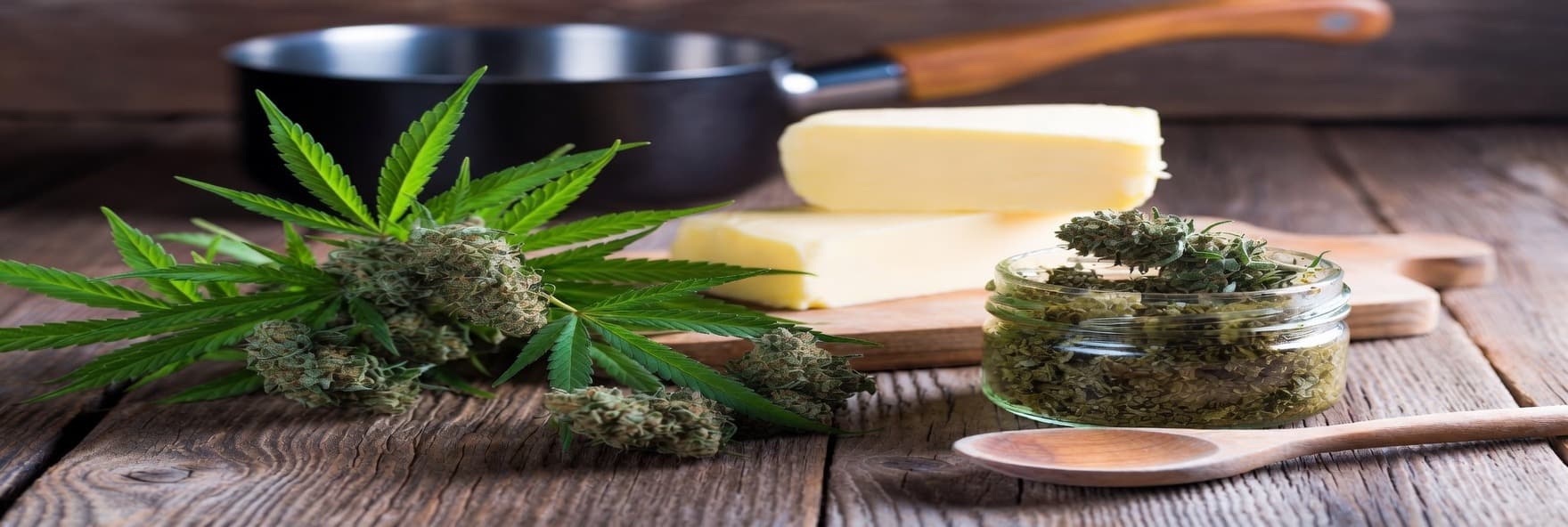
If you’re trying to figure out how to make cannabutter at home, the good news is that the process is much easier than most people think. If you enjoy cooking and baking, cannabutter can become the base ingredient behind many cannabis edibles.
Whether you’re a beginner, a seasoned cannabis user, or simply someone who enjoys experimenting in the kitchen, learning how to make cannabutter can be incredibly useful. Homemade cannabutter also gives you more control over potency, ingredients, and the types of edibles you want to create.
So, if you’re ready to get started, this guide explores everything you need to know about cannabutter, from the ingredients and equipment you’ll need to 3 easy homemade recipes and the best ways to store it afterward.
What is Cannabutter?
Cannabutter is the popular term used for cannabis-infused butter. It is made by slowly infusing butter with decarboxylated cannabis, allowing the cannabinoids, such as THC and CBD, to bind with the fat in the butter.
As cannabinoids are fat-soluble, butter works well as a base ingredient for cannabis edibles. Once prepared, cannabutter can be used in a wide range of recipes, including brownies, cookies, cakes, sauces, and other baked goods.
Ingredients and Equipment You’ll Need to Make Cannabutter
Here’s the list of ingredients and equipment you will need to make cannabutter.
Ingredients:
- 7 to 10 grams of decarboxylated cannabis
- 1 cup of unsalted butter (277 grams)
- 1 cup of water
Equipment:
- Grinder
- Baking tray
- Oven
- Parchment paper
- Cheesecloth or mesh strainer
- Saucepan, double boiler, or slow cooker
- Airtight container or mason jar
To accurately quantify your ingredients, you can use measuring cups or spoons. Keep in mind that it’s necessary to get fresh, high-quality cannabis flower from a reliable cannabis store to achieve better flavor and potency in your cannabutter. If you’re located in Michigan, you can opt for convenient curbside pickups, or you can visit our dispensary located at 1628 Division Avenue South, Grand Rapids.
What is Decarbed Weed, and Do You Need it for Cannabutter?
Ever wondered whether eating raw weed gets you high? Not exactly. That’s because the main psychoactive compound in cannabis, THC, initially exists in its inactive form known as THCA.
When cannabis is exposed to heat through smoking, vaping, or baking, the THCA converts into THC through a process called decarboxylation, also called decarb in short. This is the compound responsible for producing the high associated with cannabis.
So, when it comes to making edibles like cannabutter, you can’t simply use raw cannabis flower straight from the dispensary. You first need to decarboxylate the cannabis to activate the THC before infusing it into the butter.
3 Easy Recipes to Make Cannabutter at Home
Before getting down to the recipe, you will need to decarb your weed. Don’t worry, although the word decarboxylation sounds complex, the process is quite easy. Simply put, you need to bake the weed in the oven first, and here’s how it’s done.
- Trim the cannabis flower into small pieces, or grind it to bits
- Get your oven tray, and put a parchment paper on it
- Spread the cannabis evenly across the tray
- Place the tray in the oven
- Set the heat to 240°F to 245°F (116°C to 118°C) and heat it for 25 to 30 minutes
Once the cannabis is decarboxylated, you’re ready to start making cannabutter. Here are 3 easy methods you can use at home. Most homemade recipes use around 7 to 10 grams of cannabis per cup of butter, although you can adjust the amount depending on how potent you want the cannabutter to be.
On a Stovetop
One of the easiest and most common ways to make cannabutter is on a stovetop. The process is quite simple, and all you need to do is slowly simmer the butter with the decarboxylated cannabis to allow the cannabinoids to infuse properly.
Here’s how to do it.
- Add 1 cup of water and 1 cup of unsalted butter to a saucepan or double boiler
- Let the butter melt completely on low heat between 160ºF to 200ºF (71ºC to 93ºC)
- Once the butter has melted, add your decarboxylated cannabis flower
- Keep the heat low and let the mixture simmer gently for around 2 to 3 hours
- Stir the mixture occasionally to prevent the butter from sticking or burning
- Avoid letting the mixture come to a full boil, as excessive heat of over 200ºF can affect the potency of the cannabutter
- Once the infusion process is complete, remove the saucepan from the heat and allow it to cool slightly
- Strain the mixture through a cheesecloth or mesh strainer into an airtight container to separate the plant material from the butter
- Let the cannabutter cool completely before storing it in the refrigerator
In a Slow Cooker
If you want a more hands-off approach, making cannabutter in a slow cooker can be a great option. A slow cooker helps maintain a consistent low temperature throughout the infusion process, which reduces the risk of burning the butter or overheating the cannabis.
- Add 1 cup of unsalted butter and 1 cup of water to the slow cooker
- Turn the slow cooker to the low heat setting (180ºF) and allow the butter to melt completely
- Add your decarboxylated cannabis flower into the melted butter mixture
- Stir the mixture gently to evenly distribute the cannabis
- Cover the slow cooker with the lid and let the mixture cook on low heat for around 4 to 6 hours
- Stir occasionally throughout the process to prevent the cannabis from sticking to the sides
- Avoid using high heat, as excessive temperatures can reduce the potency of the cannabinoids
- Once the infusion process is complete, turn off the slow cooker and allow the mixture to cool slightly Strain the cannabutter through a cheesecloth or mesh strainer into an airtight container
- Let the cannabutter fully cool before using it or storing it in the refrigerator
Using Shake
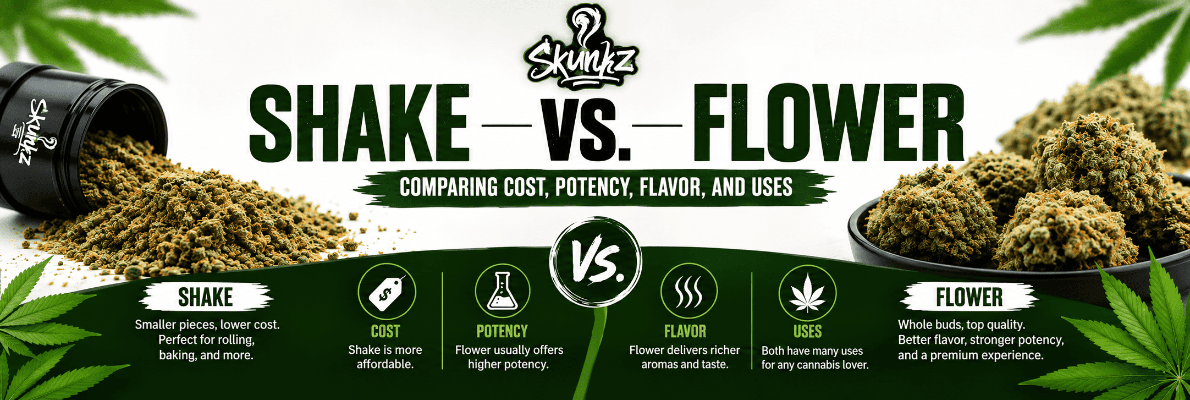
If you don’t know what shake is, it is the small leftover pieces that break off while trimming, handling, and packing the weed. Usually, it's found at the bottom of the cannabis bag or jar.
While it’s difficult to use it the traditional way through rolling a joint, you can easily use the shake to make cannabutter. It’s even sold separately in cannabis stores at a low price, which can be a frugal way to get the buds you need to make cannabutter and other delicious edibles at home.
However, the pieces in the shake can be uneven, so it’s best to trim or grind it coarsely in small, evenly sized buds. Once that’s ready, the overall process is the same; you need to decarb the buds and then infuse them with the butter using your preferred stovetop or slow cooker method.
How Strong is Homemade Cannabutter?
It depends on the type of cannabis flower you use, the THC percentage of the strain, and how much cannabis is infused into the butter. Generally, the more cannabis flower you use per cup of butter, the more potent the cannabutter will become.
The infusion method, cooking temperature, and decarboxylation process can also affect the final strength of the butter. If the cannabis is overheated or not decarboxylated properly, the potency may be reduced.
Since it can be difficult to calculate the exact THC content of homemade cannabutter, it’s usually best to start with a small amount, especially if you’re making edibles for the first time, which is 7 grams of ground cannabis buds or slightly less.
Unlike smoking or vaping, cannabis edibles can take anywhere from 30 minutes to 2 hours to fully kick in, and the effects may last significantly longer, which can be anywhere from 4 hours to 12 hours. While, the effects may even linger up to 24 hours, depending on the THC potency and the amount of cannabis edibles you’ve consumed.
If you prefer milder effects, you can reduce the amount of cannabis used during the infusion process or use a larger amount of butter to dilute the potency. On the other hand, if you’re experienced, you can try a higher dose of cannabis of up to 10 grams or adjust it accordingly.
What’s the Best Way to Store Cannabutter After Making It?
It is important to properly store cannabutter after making it, as butter is prone to spoilage if it’s left outside the fridge for too long. The best way to store cannabutter is to keep it in an airtight container like a sealed box or a mason jar.
Typically, butter remains fresh in the refrigerator for 2 to 3 weeks. If you make a larger batch, you can also freeze the cannabutter for longer storage of up to a year. To preserve freshness and potency, it’s also a good idea to keep the container tightly sealed and away from direct heat, moisture, and sunlight.
When you store the cannabutter in the refrigerator or freezer, it can harden and solidify. So, if it’s stored in the refrigerator, just keep it outside for 20 to 30 minutes at room temperature, and it will become slightly soft, which you can use as a spread or as an ingredient to make edibles.
If the cannabutter is frozen, you’ll need to thaw it before use. Although it may feel tempting to quickly thaw the butter in a microwave, it’s best to avoid doing so, as excessive heat may reduce the potency of the cannabinoids.
Is it Better to Buy Cannabutter or Make it at Home?
Well, that mainly depends on your preferences. If you prefer ready-made cannabutter, then buying it can be a convenient option. But if you want more control over the ingredients, potency, and overall experience, then making it at home may be the better choice. Let’s compare the benefits of both options to help you decide which one suits you best.
Making cannabutter at home gives you more flexibility over the type of cannabis you use, the strength of the infusion, and the amount you want to prepare. It can also be a more cost-effective option, especially if you already have cannabis flower or shake available. Homemade cannabutter also allows you to experiment with different recipes and adjust the potency based on your tolerance level.
On the other hand, buying pre-made cannabutter from a licensed cannabis dispensary can be more convenient if you don’t want to go through the decarboxylation and infusion process yourself. Store-bought cannabutter may also provide more consistent dosing and clearly labeled THC or CBD content, which can be useful, especially if you’re not an experienced user.
However, availability can vary depending on where cannabis products are legally sold, and pre-made cannabutter may sometimes be more expensive than making it yourself at home. If you enjoy cooking and want more control over the overall experience, homemade cannabutter can be a rewarding option. But if convenience and precise dosing matter more to you, store-bought cannabutter may be the better choice.
Edibles That You Can Make with Cannabutter
Cannabutter is basically the foundation behind many cannabis edibles. Once you’ve prepared it, you can use it in a variety of recipes, from baked desserts to savory dishes. Here are some popular edibles that you can make with cannabutter based on popular opinions on Reddit, and Quora.
- Brownies
- Cookies
- Cakes
- Muffins
- Cupcakes
- Gummies
- Chocolates
- Rice crispy treats
- Pancakes
- Waffles
- Mac and cheese
- Pasta sauces
- Garlic bread
- Mashed potatoes
- Popcorn
- Cannabis-infused toast or spreads
- Salad dressings
- Smoothies
- Ice cream toppings
- Homemade candies
Common Mistakes to Avoid When Making Cannabutter
Whether it’s your first time making cannabutter or you’ve already experienced a few mishaps before, avoiding these common mistakes can help you make smoother, more potent, and better-tasting cannabutter.
One of the most common mistakes people make is skipping the decarboxylation process. If the cannabis flower is not heated properly beforehand, the THC may remain inactive, which can reduce the potency of the cannabutter.
Another common mistake is using excessive heat during the infusion process. High temperatures can burn the butter and degrade the cannabinoids, which may affect both the flavor and strength of the final product.
If you use too much cannabis in a small amount of butter, it can make the cannabutter overly potent. According to Mayo Clinic, excessive cannabis consumption may lead to undesired effects such as dry mouth, nausea, dizziness, and even fainting. It’s usually best to start with a moderate amount, such as around 7 grams, and gradually adjust the potency over time.
In addition, failing to properly strain the butter can leave behind unwanted plant material, which may affect the texture and overall taste. Improper storage can also reduce the freshness and quality of cannabutter. Since butter is prone to spoilage, it’s important to store it in an airtight container and keep it refrigerated or frozen when not in use.
The Bottom Line: Should You Make Cannabutter at Home?
Even though making cannabutter is relatively simple, the process can still be time-consuming. From decarboxylating the cannabis to slowly infusing and stirring the butter, the entire process requires patience and effort.
So, if you have the time and enjoy experimenting in the kitchen, making your own cannabutter at home can definitely be worth it. However, if the process feels overwhelming or too time-consuming, you always have the option to buy pre-made cannabutter or other cannabis edibles from a licensed cannabis dispensary nearby.
If you need help or expert advice to pick the best cannabis flower strain, or to better understand the right dosage based on your desired effects, our budtenders are always available at our cannabis store in Grand Rapids, or over the phone during business hours from 9 am to 9 pm.
Frequently Asked Questions (FAQs)
What is the best ratio for cannabutter?
A common cannabutter ratio is around 7 to 10 grams of cannabis flower per 1 cup of butter. However, the ideal ratio mainly depends on your preferred potency and tolerance level. If you’re a beginner, it’s recommended that you start with a lower dose with milder effects.
Can you make cannabutter with 3.5 grams of cannabis flower?
Yes, you can make cannabutter with 3.5 grams of cannabis flower, especially if you prefer milder potency or are making a smaller batch. Simply reduce the amount of butter accordingly to maintain a balanced infusion strength. It’s recommended to use a 1:1 ratio of cannabis flower and butter for a balanced ratio.
Does cannabutter get stronger the longer it sits?
No, cannabutter does not usually get stronger the longer it sits after the infusion process is complete. The potency mainly depends on the amount of cannabis used, the THC content, and how well the butter was infused and decarboxylated. However, allowing the butter to fully cool and set may help the flavors develop more evenly.
How do I tell when my cannabutter is ready?
You can usually tell your cannabutter is ready when the butter develops a rich green or golden-green color and gives off a strong herbal aroma. The mixture should also finish simmering smoothly without burning, typically after 2 to 3 hours on a stovetop or 4 to 6 hours in a slow cooker.
How much butter is lost when infusing?
When making cannabutter, it’s normal to lose a small amount of butter during the infusion and straining process. Typically, around 10% to 20% of the butter may be absorbed by the cannabis plant material or lost during filtering. Keep in mind that it’s only the butter that’s lost during the process; the THC content remains intact under the right temperature of about 160°F to 200°F.
Why add water to butter when making cannabutter?
Adding water is necessary to regulate the temperature and prevent the butter from burning during the infusion process. It can also help separate unwanted plant material and impurities from the butter more easily after cooling.
Is cannabutter stronger than smoking?
Cannabutter can feel stronger than smoking for many people because cannabis edibles are processed differently in the body. While the effects of smoking weed are almost immediate, and last about 1 to 3 hours, the effects of cannabutter or other cannabis edibles can last from 4 to 12 hours, even though it takes about 30 minutes to 2 hours for the effects to kick in.
Can I cook with cannabutter like normal?
Yes, you can cook with cannabutter just like regular butter in many recipes, including brownies, cookies, sauces, and baked dishes. However, it’s best to avoid extremely high cooking temperatures, as excessive heat may reduce the potency of the cannabinoids.