

SKUNKZ Cannabis

Select a Store

What Can You Do With Cannabis Stems?

Skunkz Cannabis
by Skunkz Cannabis
| October 7, 2026
What Can You Do With Cannabis Stems?

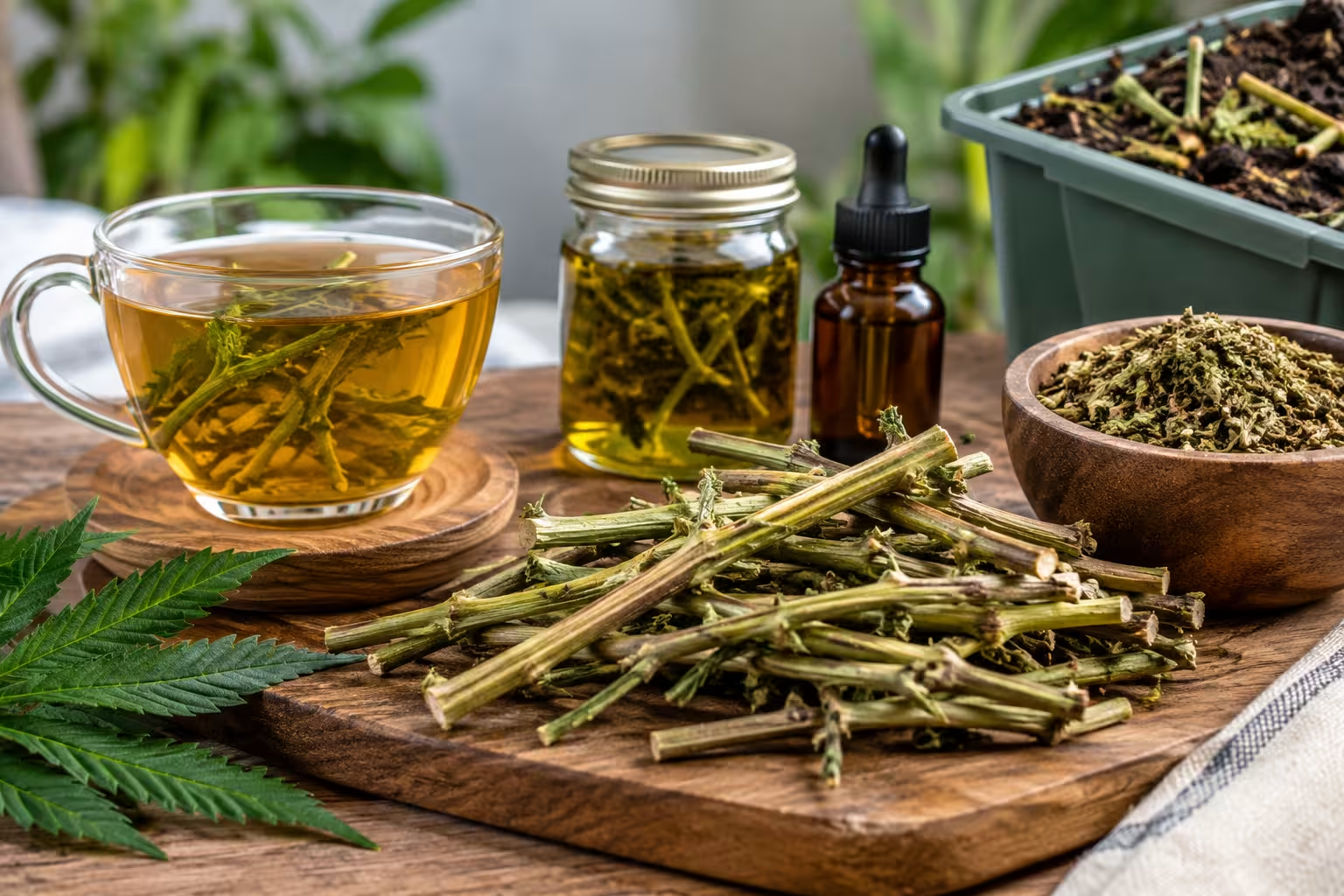
Cannabis stems can be reused in several practical ways, including making tea, infusing butter or oil, creating homemade tinctures, and adding them to compost. However, because they contain far fewer cannabinoids than cannabis flower, they're best suited for low-waste DIY projects rather than producing strong effects.


If you've ever been left with a pile of stems after grinding cannabis flower, you may have wondered whether they're worth keeping or simply throwing away. While they aren't as versatile or potent as cannabis buds, they can still serve a purpose when used correctly. That said, if you're looking for premium flower, concentrates, edibles, or other cannabis products instead of DIY alternatives, shopping at a trusted local dispensary ensures a more consistent and reliable experience.


Instead of automatically discarding your stems, it's worth understanding when they're worth saving and when it's better to let them go. In this article, you'll learn what cannabis stems are, their practical uses, and when keeping them actually makes sense.

What Are Cannabis Stems?

Cannabis stems are the woody parts of the cannabis plant that support the leaves, branches, and flowers as the plant grows. They include the main stalk, larger branches, and the smaller stems attached directly to the buds. While they play an essential role in the plant's structure, they aren't the part most people consume.

Unlike cannabis flower, stems contain very few trichomes. Trichomes are the tiny, crystal-like glands that produce most of the plant's cannabinoids and terpenes. Since stems have significantly fewer trichomes, they also contain much lower concentrations of compounds like THC and CBD.

A peer-reviewed study published in Scientific Reports found that total cannabinoid concentrations were highest in cannabis inflorescences (flowers), ranging from 15.77% to 20.37%, while stem bark contained only 0.005% to 0.008% cannabinoids. This large difference explains why cannabis flower is the preferred choice for potency, while stems are generally repurposed rather than consumed.

Although stems aren't the most cannabinoid-rich part of the plant, they can still be reused for several practical purposes. Understanding their strengths and limitations helps you decide whether they're worth saving.

Can You Smoke Cannabis Stems?

Technically, yes, you can smoke cannabis stems. However, that doesn't mean you should. While stems contain trace amounts of cannabinoids, they lack the resin-rich trichomes that make cannabis flower flavorful and potent. As a result, smoking stems usually delivers very little THC while producing a much harsher experience.

Most consumers discard cannabis stems for this reason. If you're hoping to extend your stash, smoking stems isn't the most effective solution. Instead, you're more likely to notice an unpleasant taste than any meaningful effects.

According to a Healthline review, smoking cannabis stems isn't recommended because they contain negligible amounts of THC. Burning the woody plant material can also release irritating smoke that may cause coughing, headaches, or a sore throat without producing the desired high.

Why Smoking Cannabis Stems Isn't Recommended

There are several reasons why smoking cannabis stems is generally discouraged.

  • Very little THC: Stems contain significantly fewer cannabinoids than cannabis flower, making them unlikely to produce noticeable effects.
  • Harsh smoke: Because stems are woody and fibrous, they burn hotter than flower. This creates rough smoke that can irritate your throat and lungs.
  • Poor flavor: Instead of the rich terpene profile found in cannabis buds, stems often produce a bitter, woody taste.
  • Minimal value: Even if you collect a large number of stems, the experience rarely justifies the effort.

The table below highlights the differences between cannabis flower and stems. | | | - |

Feature Cannabis Flower Cannabis Stems
THC Content High Trace amounts
Trichomes Abundant Very few
Flavor Rich and aromatic Woody and harsh
Best Use Smoking, vaping, edibles, concentrates DIY projects, compost, tea

If your goal is to enjoy cannabis, quality flower remains the better option. However, if your goal is reducing waste, there are several more practical ways to reuse leftover stems without smoking them. The next section explores those options and explains when they're actually worth trying.

Practical Ways to Reuse Cannabis Stems

Although cannabis stems aren't ideal for smoking, they don't always have to go in the trash. If you've collected enough clean, dry stems, you can repurpose them in several ways. Just remember that stems contain much less THC than flower, so any homemade products will likely be milder and less consistent than those made with buds.

Here are several practical ways to reuse cannabis stems.

1.Brew Cannabis Stem Tea

Cannabis stem tea is one of the easiest ways to use leftover stems. While it won't produce the same effects as cannabis flower, it can be a simple option if you want to reduce waste.

Before brewing, most recipes recommend decarboxylating the stems. Decarboxylation is the process of gently heating cannabis to activate cannabinoids. Afterward, steep the stems in hot water with a small amount of fat, such as whole milk, coconut milk, or butter. Since cannabinoids bind to fat instead of water, adding a fat source helps improve extraction.

Keep your expectations realistic. Cannabis stem tea is best viewed as a simple way to reduce waste rather than a substitute for traditional cannabis products.

Tips for making cannabis stem tea:

  • Use only clean, dry stems.
  • Decarboxylate the stems before brewing.
  • Add a fat source for better cannabinoid absorption.
  • Enhance the flavor with honey, lemon, ginger, or peppermint.

2. Make Cannabis-Infused Butter or Oil

If you've saved a larger amount of stems, you can infuse them into butter or coconut oil. These infusions can later be used in recipes such as baked goods or savory dishes.

Like stem tea, this process begins with decarboxylation. The stems are then simmered over low heat with butter or oil for several hours before being strained.

While this method makes use of leftover stems, the final product is generally less effective than infusions made with cannabis flower. For that reason, many experienced home cooks combine stems with small amounts of flower instead of relying on stems alone. When making homemade infusions:

  • Maintain low heat throughout the process.
  • Strain out all plant material before storing.
  • Label the finished product clearly.
  • Start with a small serving, since homemade potency can vary.

3. Create a Cannabis Tincture

Another option is making a cannabis tincture using food-grade alcohol or vegetable glycerin. Tinctures are liquid cannabis extracts that can be stored for extended periods when prepared correctly.

The process involves soaking decarboxylated stems in the chosen liquid for several weeks, allowing cannabinoids and other plant compounds to infuse over time. Once complete, the mixture is strained and stored in a dark glass bottle.

Stem tinctures are best suited for small DIY projects rather than replacing tinctures made with cannabis flower. To improve results:

  • Use high-proof food-grade alcohol if making an alcohol tincture.
  • Store the jar in a cool, dark place during extraction.
  • Shake the mixture every few days.
  • Label the bottle with the preparation date.

4. Compost Cannabis Stems

If you're not interested in making homemade cannabis products, composting may be the most practical option.

Cannabis stems are biodegradable and provide carbon-rich material that helps balance compost piles. After breaking the stems into smaller pieces, you can mix them with kitchen scraps, leaves, and other compostable materials. Smaller pieces decompose more quickly, making them easier for microorganisms to break down.

Composting is especially useful if you only have a handful of stems. Rather than attempting a DIY project that may produce minimal results, you can return the plant material to the soil and reduce household waste.

5. Repurpose Cannabis Stems for Simple DIY Projects

Cannabis stems can also be reused in creative, non-consumable ways. Cannabis stems can also be reused in creative, non-consumable ways around the home or garden. Some simple ideas include:

  • Using thicker stems as plant markers in the garden.
  • Creating natural garden ties for lightweight plants.
  • Incorporating dried stems into rustic crafts or decorative arrangements.
  • Adding them to educational projects about the cannabis plant.

These simple projects offer an easy way to reuse leftover stems instead of throwing them away. Whether they're worth saving depends on how many you've collected and the type of project you have in mind.

What Not to Do With Cannabis Stems

Knowing what you can do with cannabis stems is only part of the equation. It's equally important to understand what they aren't good for. While stems have a few practical uses, they can't replace cannabis flower or deliver the same experience. Setting realistic expectations will help you decide whether they're worth saving or simply better off in the compost bin.

1.Don't Expect Stems to Replace Cannabis Flower

One of the biggest misconceptions is that cannabis stems can serve as a substitute for flower. In reality, the two are very different. Cannabis flower contains far more trichomes than stems, making it richer in cannabinoids, terpenes, and flavor. As a result, stems shouldn't be expected to deliver the same potency or overall experience.

If you're hoping for the same potency, flavor, or overall experience, stems will likely leave you disappointed. Instead, professionally produced cannabis products offer more consistent potency, flavor, and quality.

2. Avoid Using Moldy or Contaminated Stems

Not every cannabis stem is worth saving. If your stems have been exposed to moisture, stored improperly, or show visible signs of mold, it's best to throw them away immediately. Mold can spread throughout plant material, making it unsafe to consume or use in homemade infusions. Before reusing cannabis stems, check for:

  • White, gray, or fuzzy mold growth
  • Musty or sour odors
  • Damp or soft spots
  • Signs of pests or contamination

When in doubt, discard questionable stems rather than risking your health. Saving a few leftover stems simply isn't worth using contaminated plant material.

3. Don't Rely on Stems for Strong Homemade Products

Many online DIY recipes suggest making potent edibles or concentrates using only cannabis stems. While this is technically possible, homemade results often vary depending on the quality of the stems, preparation method, and amount used. Homemade products made solely from stems may vary significantly depending on:

  • The strain they came from
  • The number of stems collected
  • Whether they were properly decarboxylated
  • The infusion or extraction method used

For this reason, it's best to think of stem-based recipes as low-waste projects rather than reliable cannabis products. If potency is your priority, using quality flower or professionally manufactured edibles, tinctures, or concentrates will provide a far more consistent experience.

When Are Cannabis Stems Worth Saving?

Whether you keep your cannabis stems depends on how you plan to use them. Saving stems makes sense if you've collected enough to complete a DIY project, such as making tea, infusing butter, or creating a tincture. They can also be worth keeping if you compost or enjoy finding creative ways to reduce household waste.

However, not every stem deserves a second life. Small amounts of stems often aren't enough to produce useful homemade products, especially if they're old, brittle, or have been sitting around for months. Likewise, any stems that are damp, moldy, or contaminated should be discarded immediately.

A simple rule is to save clean, dry stems with a specific purpose in mind. Otherwise, composting or disposing of them is often the more practical option. This approach helps reduce clutter while ensuring you only keep material that's actually usable.

When Ready-Made Cannabis Products Make More Sense

Reusing cannabis stems can be a fun way to reduce waste. However, it isn't always the most practical option. If your goal is stronger effects, consistent potency, or convenience, professionally made cannabis products are usually the better choice.

Homemade stem projects often produce unpredictable results because every batch is prepared differently. In addition, the potency can vary depending on the strain, preparation method, and the number of stems used. That makes it difficult to know what to expect from one batch to the next.

Products from a licensed dispensary undergo testing for potency and quality. This gives you a better idea of what you're consuming while providing a more consistent experience. Instead of trying to maximize every leftover stem, consider choosing products designed for your preferred consumption method.

If You're Looking For... Consider...
Stronger potency Cannabis flower
Long-lasting effects Edibles
Precise serving sizes Tinctures
Concentrated cannabinoids Concentrates
Convenience Pre-rolls

For example, if you're interested in making cannabis butter but don't have enough stems, purchasing flower specifically for infusions will generally produce better flavor and more reliable results. Likewise, if you're looking for a quick and consistent experience, pre-rolls or ready-to-use products eliminate the guesswork that comes with homemade preparations.

DIY projects certainly have their place, especially for consumers who enjoy experimenting or minimizing waste. Still, they shouldn't replace products that are designed to deliver dependable potency, flavor, and quality.

Are Cannabis Stems Worth Keeping?

Cannabis stems can be worth keeping if you have enough to repurpose for tea, homemade infusions, compost, or simple DIY projects. However, they shouldn't be viewed as a replacement for cannabis flower, since they contain far fewer cannabinoids and won't deliver the same potency or flavor.

If you'd rather skip DIY projects altogether, choosing products made for your preferred experience is often the better option. Whether you're looking for premium flower, concentrates, edibles, tinctures, or pre-rolls, Skunkz Cannabis offers a carefully curated selection to help you enjoy cannabis with consistent quality and confidence.

Frequently Asked Questions (FAQs)

Do cannabis stems contain THC?

Yes, but only in very small amounts. Most of the plant's cannabinoids are concentrated in the trichomes that coat the flower, while stems contain significantly lower levels. As a result, stems aren't considered an effective source of THC compared to cannabis buds.

Can cannabis stems be used to make concentrates or hash?

Technically, yes, but the results are usually minimal. Since stems contain very few trichomes, they produce much lower yields than cannabis flower or trim. For most consumers, the time and effort often outweigh the results.

How should you store cannabis stems before reusing them?

Store cannabis stems in an airtight container in a cool, dry place away from direct sunlight. Keeping them dry helps prevent mold and preserves their quality if you plan to use them later for tea, infusions, or other DIY projects.

Do cannabis stems go bad?

Yes. Cannabis stems can deteriorate over time if they're exposed to moisture, heat, or improper storage conditions. If you notice mold, an unusual odor, or visible contamination, discard them instead of trying to reuse them.

References

1. Healthline. (2023). Can you smoke weed stems? https://www.healthline.com/health/smoking-weed-stems

2. Kovalchuk, I., Pellino, M., Rigault, P., van Velzen, R., Ebersbach, J., Ashnest, J., Mau, M., Schranz, M. E., Alcorn, J., Laprairie, R., McKay, J., & Burkart-Waco, D. (2020). The genomics of Cannabis and its close relatives. Scientific Reports, 10, Article 3393. https://doi.org/10.1038/s41598-020-60172-6

3. United States Environmental Protection Agency. (n.d.). Composting at home. https://www.epa.gov/recycle/composting-home

4. National Center for Complementary and Integrative Health. (2024). Cannabis (marijuana) and cannabinoids: What you need to know. https://www.nccih.nih.gov/health/cannabis-marijuana-and-cannabinoids-what-you-need-to-know

5. National Institutes of Health. (n.d.). PubChem compound summary for tetrahydrocannabinol (THC). https://pubchem.ncbi.nlm.nih.gov/

6. Kovalchuk, I., Pellino, M., Rigault, P., van Velzen, R., Ebersbach, J., Ashnest, J., Mau, M., Schranz, M. E., Alcorn, J., Laprairie, R., McKay, J., & Burkart-Waco, D. (2020). The genomics of Cannabis and its close relatives. Scientific Reports, 10, Article 3393. https://doi.org/10.1038/s41598-020-60172-6

Related Resources

What Is Popcorn Weed? A Beginner's Guide
Explore Flower Cannabis

What Is Popcorn Weed? A Beginner's Guide

If you've heard the term "popcorn weed," you might wonder what it actually means. Simply put, popcorn weed refers to smaller cannabis buds that develop naturally on the same plant as larger flowers. While they may not have the same eye-catching appearance as full-sized buds, they can still deliver the aroma, flavor, and overall experience many consumers look for. Because of their size, popcorn buds are often misunderstood. Some people assume they're lower quality or significantly less potent than regular flower. However, that's not always the case. Several factors, including genetics, cultivation practices, harvest timing, and curing, play a much bigger role in determining the quality of cannabis than bud size alone. Whether you're shopping for cannabis products, trying a new strain, or simply curious about what popcorn weed means, understanding how these buds develop can help you make a more informed decision. In this article, we'll explain what popcorn weed is, why it forms, how it compares to regular flower, and whether it's the right choice for your preferences. Why Is It Called Popcorn Weed? The name "popcorn weed" comes from the buds' appearance. These smaller cannabis flowers are often round, compact, and similar in size to popped popcorn kernels. Because of their shape and size, the nickname has become a common way to describe these naturally smaller buds . Popcorn buds typically develop on the lower or inner branches of the cannabis plant, where they receive different growing conditions than the larger colas at the top of the canopy. Although they're smaller, they're harvested, dried, and cured just like any other cannabis flower. They're also not a separate strain or a different type of cannabis. Instead, they're simply smaller buds produced during the plant's normal growth cycle. According to a review published in Frontiers in Plant Science , cannabinoids are produced by stalked glandular trichomes found on female cannabis flowers. These trichomes also contain many of the plant's aromatic compounds, including terpenes. Because popcorn buds are fully developed cannabis flowers, they naturally produce these compounds as part of the plant's biology, although their concentrations can vary depending on genetics and cultivation conditions. This is also why popcorn buds shouldn't be confused with shake or trim. Unlike shake, popcorn buds remain whole cannabis flowers that are harvested, dried, cured, and packaged before being sorted by size. Depending on the dispensary or cultivator, you may also see these products labeled as: Popcorn buds Popcorn flower Smalls Small buds Mini buds Although the terminology varies, these names generally refer to the same type of smaller cannabis flower. Where Do Popcorn Buds Grow on the Cannabis Plant? Popcorn buds develop on the lower and inner branches of the cannabis plant. Because these flowers grow beneath the upper canopy, they naturally remain smaller than the large colas found near the top of the plant. Even so, they continue to mature throughout the flowering cycle and are harvested and processed with the rest of the crop. Why Are Popcorn Buds Smaller? The size of a cannabis bud depends on several growing conditions. While popcorn buds develop alongside larger flowers, they don't receive the exact same growing conditions throughout the flowering cycle. As a result, they naturally develop into smaller buds. That said, a smaller size doesn't mean the buds are underdeveloped. Popcorn buds still mature before harvest and are processed the same way as larger flower. Their size simply reflects where they grew and how the plant distributed its energy during flowering. Light Exposure and Plant Position One of the biggest reasons popcorn buds stay smaller is their location on the plant. Cannabis plants grow in layers, often called the canopy. The flowers at the top receive the most direct light throughout the day. Because they have greater access to light, these buds usually grow larger and denser. Meanwhile, buds growing lower on the plant receive less direct light because the upper canopy shades them. Although they still photosynthesize and mature normally, they often don't reach the same size as the top colas. Here's a simple comparison: Top Colas Popcorn Buds Grow near the top of the plant Grow on lower or inner branches Receive more direct light Receive less direct light Usually larger in size Naturally smaller in size Often have greater visual appeal More compact and easier to handle This difference in growth is completely natural and occurs in both indoor and outdoor cultivation. Genetics and Cultivation Practices Light isn't the only factor that influences bud size. Genetics also play an important role. Some cannabis strains naturally produce larger flowers, while others tend to develop smaller, denser buds. Even within the same harvest, two plants of the same strain may produce slightly different bud sizes because of natural variation. In addition, cultivation practices can affect how much popcorn flower a plant produces. Experienced growers often use techniques that improve light penetration and airflow throughout the canopy. Common methods include: Strategic pruning Defoliation Plant training techniques Proper spacing between plants These practices help expose more flowering sites to light, which may encourage more even bud development. However, most healthy cannabis plants will still produce some popcorn buds. They're simply a normal part of the plant's growth cycle rather than a sign that something went wrong. Is Popcorn Weed Less Potent Than Regular Flower? This is one of the most common questions consumers ask, and the answer isn't as simple as yes or no . Many people assume popcorn weed is automatically less potent because the buds are smaller. However, cannabinoid and terpene levels depend on much more than the size of the flower. Instead, they are influenced by factors such as genetics, cultivation methods, growing environment, harvest timing, and curing. Because popcorn buds develop lower on the plant, they may receive less light than the top colas. In some cases, that difference can result in slightly lower cannabinoid or terpene concentrations. However, the variation is usually modest and isn't consistent across every strain or harvest. In fact, the University of Mississippi's National Center for Natural Products Research , which studies cannabis cultivation, notes that cannabinoid production is influenced by genetics, environmental conditions, and cultivation practices rather than a single factor like bud size. For most consumers, the difference is less noticeable than expected. Once flower is ground and prepared, many people choose popcorn buds because they still provide the characteristics of the same strain at a lower price point. Instead of relying on bud size alone, consider the product's lab results and the reputation of the cultivator when comparing different flower options . These factors are more reliable indicators than bud size alone. Popcorn Weed vs. Regular Flower: What's the Difference? At first glance, popcorn weed and regular flower may seem very different because of their size. However, the biggest distinction is appearance rather than genetics. Aside from their size and appearance, the two flower types are more alike than many consumers expect. Here's a side-by-side comparison: Popcorn Weed Regular Flower Smaller, compact buds Larger, more prominent buds Grows on lower or inner branches Grows near the top of the plant Often sold at a lower price Usually priced higher Easier to portion and grind Valued for its visual appeal Same strain genetics Same strain genetics Many consumers choose regular flower because large buds often have stronger bag appeal. They can look more impressive and may be preferred by collectors or those who enjoy showcasing premium flower. On the other hand, popcorn weed appeals to shoppers who prioritize value over appearance. Since the flower is usually ground before use, many people find that bud size has little impact on their overall experience. Ultimately, choosing between popcorn weed and regular flower comes down to your priorities. If appearance matters most, larger buds may be the better choice. If you're looking for quality flower at a lower cost, popcorn buds can be a practical alternative. Popcorn Weed vs. Shake: Are They the Same? Although they're sometimes grouped together because they're more affordable, popcorn weed and shake are not the same product . Popcorn weed consists of whole, intact cannabis buds . Shake, by comparison, is made up of small pieces of flower that naturally break off during harvesting, trimming, packaging, and transportation. Depending on the product, shake may also contain small amounts of sugar leaves. The differences become easier to understand when viewed side by side. Popcorn Weed Shake Whole cannabis buds Loose flower fragments Maintains its natural bud structure Already broken apart Typically offers a more consistent appearance Texture can vary between batches Suitable for smoking, vaping, or grinding Often used for pre-rolls, edibles, or infusions Both products have their place, but they serve different needs. If you prefer preparing your own flower for a pipe, bong, joint , or dry herb vaporizer, popcorn buds provide the same convenience as regular flower in a smaller size. Meanwhile, shake is often chosen by consumers making homemade infusions or those looking for an economical option for larger quantities. Knowing the difference helps you choose the product that best matches how you plan to enjoy your cannabis. Why Is Popcorn Weed Usually Cheaper? One of the biggest reasons people buy popcorn weed is its price. Even though popcorn buds are harvested from the same crop, they usually cost less because they're smaller and have less visual appeal. In many dispensaries, larger buds are considered the premium presentation, while popcorn buds are packaged as a value option. In most cases, the lower price reflects presentation rather than the flower itself. Several factors contribute to the price difference, including: Smaller buds are generally less sought after than large colas. Consumers often pay more for appearance than performance. Popcorn buds are easier to package in bulk. Dispensaries may offer them as a budget-friendly flower option. For many shoppers, this creates an opportunity to enjoy the same strain while spending less. That said, pricing varies between cultivators and dispensaries. Factors such as genetics, cultivation methods, harvest quality, and local demand still influence the final cost. If you're comparing products, it's worth looking beyond the price tag. Lab results, freshness, aroma, and the reputation of the cultivator often provide a better indication of overall quality than bud size alone. What Are the Pros and Cons of Popcorn Weed? Like any cannabis product, popcorn weed has advantages and limitations. Understanding both can help you decide whether it's the right fit for your preferences. Benefits of Popcorn Weed For many consumers, popcorn buds offer an excellent balance between quality and value. Some of the biggest benefits include: More affordable. Popcorn buds often cost less than larger flowers from the same harvest. Same strain selection. You can still enjoy the genetics, aroma, and flavor profile of your favorite strain. Easy to prepare. Smaller buds usually require less breaking apart before grinding. Less waste. Their compact size makes portioning simple for individual sessions. Ideal for different consumption methods. They're suitable for joints, pipes, bongs, dry herb vaporizers , and homemade infusions. For consumers who value function over appearance, popcorn weed can be a smart purchase. Potential Drawbacks to Consider While popcorn weed has plenty of advantages, it may not be the right choice for everyone. Here are a few considerations: Smaller buds may not have the same visual appeal as large, premium colas. Potency can vary slightly depending on the harvest and cultivation practices. Availability isn't always consistent, since popcorn buds depend on each individual harvest. Quality still matters. Poorly grown or improperly cured popcorn buds won't perform as well as high-quality flower, regardless of price. As with any cannabis purchase, it's best to evaluate the product as a whole rather than focusing on size alone. Freshness, aroma, trichome coverage, and proper curing remain some of the most reliable indicators of quality. Who Should Buy Popcorn Weed? Popcorn weed isn't the best choice for everyone, but it can be an excellent option for many cannabis consumers. The key is understanding what matters most to you. If you prioritize quality flower over oversized buds, popcorn weed may be worth considering. You may enjoy popcorn buds if you: Want a more budget-friendly flower option. Prefer using cannabis in joints, pipes, or dry herb vaporizers. Plan to make homemade edibles or infusions. Want to try a new strain without paying more for larger buds. Care more about the overall experience than the size of the flower. On the other hand, regular flower may be a better fit if you value large, visually striking buds or enjoy collecting premium-looking cannabis. Neither option is inherently better. Instead, each serves a different purpose. Choosing the right one depends on your budget, preferences, and how you plan to consume your cannabis. What Should You Look for When Buying Popcorn Weed? Not all popcorn buds are created equal. Just like regular flower, their quality depends on how they were cultivated, harvested, cured, and stored. Before making a purchase, take a few moments to evaluate the product instead of focusing only on the size of the buds. Appearance and Trichome Coverage Healthy popcorn buds should still look like quality cannabis flower. Look for buds that are: Well-trimmed and fully formed Covered with visible trichomes Free from excessive stems or leaves Similar in color throughout the package Don't expect every popcorn bud to look identical. Since they're naturally smaller, slight differences in shape and size are normal. Aroma and Freshness One of the easiest ways to judge flower quality is by its aroma. Fresh popcorn buds should have a noticeable scent that reflects the strain's terpene profile. Depending on the cultivar, that aroma may be citrusy, earthy, fruity, sweet, gassy, or pine-forward. At the same time, avoid flower that: Smells stale or musty Feels overly dry or brittle Shows signs of excess moisture Has little to no aroma Proper curing and storage help preserve cannabinoids and terpenes, allowing the flower to maintain its flavor and aroma over time. Buy From a Licensed Dispensary Where you buy your cannabis matters just as much as what you buy. Licensed dispensaries sell products that must meet state testing and labeling requirements before reaching consumers. This helps ensure the flower has been screened for contaminants and accurately labeled with cannabinoid information. Shopping at a licensed dispensary also gives you access to knowledgeable budtenders who can answer questions about different flower options, including popcorn buds, regular flower, concentrates , and infused products. If you're unsure whether popcorn weed fits your preferences, don't hesitate to ask for recommendations. A reputable dispensary can help you compare products based on your desired experience, budget, and consumption method. The Bottom Line: Is Popcorn Weed Worth It? Popcorn weed proves that bigger isn't always better. While these smaller buds may not have the same visual appeal as larger colas, they can still provide an enjoyable cannabis experience when cultivated and handled properly. Ultimately, the best choice depends on your budget, preferences, and the type of cannabis experience you're looking for. Those factors have a greater impact on your experience than appearance alone. Whether you're looking for an everyday flower, exploring a new strain, or simply trying to stretch your budget, popcorn weed can be a practical option without compromising quality. If you're interested in exploring premium flower or popcorn buds, visit Skunkz Cannabis and let our knowledgeable team help you find products that match your preferences and experience level. Frequently Asked Questions (FAQs) Does popcorn weed come from a different cannabis strain? No. Popcorn buds come from the same strain and harvest as larger flower. The difference is simply where the buds developed on the plant. How should popcorn weed be stored? Store popcorn buds in an airtight container in a cool, dark place. Proper storage helps preserve moisture, aroma, and terpene content over time. Can popcorn weed be used to make edibles? Yes. Because popcorn buds are whole cannabis flower, they're commonly used to make cannabutter , infused oils , and homemade edibles. Can popcorn weed be used for pre-rolls? Yes. Popcorn buds are commonly used for pre-rolls because they're easy to grind and offer the same strain characteristics as larger flower. Many consumers also roll their own joints using popcorn buds at home. Is popcorn weed good for everyday use? Not necessarily. THC levels vary by strain, cultivation methods, and growing conditions. While some popcorn buds may test slightly lower than larger buds from the same harvest, bud size alone doesn't determine potency. References Livingston, S. J., Quilichini, T. D., Booth, J. K., Wong, D. C. J., Rensing, K. H., Laflamme-Yonkman, J., Castellarin, S. D., Bohlmann, J., Page, J. E., & Samuels, A. L. (2021). Cannabis glandular trichomes alter morphology and metabolite content during flower maturation . Frontiers in Plant Science, 12 , Article 721986. https://fdoi.org/10.3389/fpls.2021.721986 National Center for Natural Products Research. (n.d.). Marijuana research . University of Mississippi. https://pharmacy.olemiss.edu/marijuana/ Mission Dispensaries. (n.d.). What is popcorn weed? All the buzz without the butter . https://missiondispensaries.com/what-is-popcorn-weed/ EarthMed. (2024, March 26). What is popcorn weed? https://earthmed.com/blog/what-is-popcorn-weed Westwood Farmacy. (2025, April 28). Pros and cons of popcorn weed: Should you buy it? https://westwoodfarmacy.com/blog/pros-and-cons-of-popcorn-weed/ Green Goods. (n.d.). Small bud: Small cannabis flower packing a big punch . https://visitgreengoods.com/learn/what-are-popcorn-buds/ Glacier Cannabis. (2026, February 7). Popcorn nugs explained: The science behind small buds and big potency . https://glaciercanna.com/popcorn-nugs-explained-the-science-behind-small-buds-and-big-potency/ SKUNKZ RESOURCES Explore Our Resources Browse cannabis insights by product category. ✿ Flower Explore cannabis flower → ◉ Pre-Rolls Pre-roll insights → ◌ Vaporizers Vape information → ◆ Concentrates Concentrate insights → ● Edibles Edible insights → ✦ Topicals Topical insights → ▣ Accessories Accessory insights → View All Resources →

Read article


      What Can You Do With Cannabis Stems?