How do you want to shop?
Blogs
How to Make Weed Oil at Home?

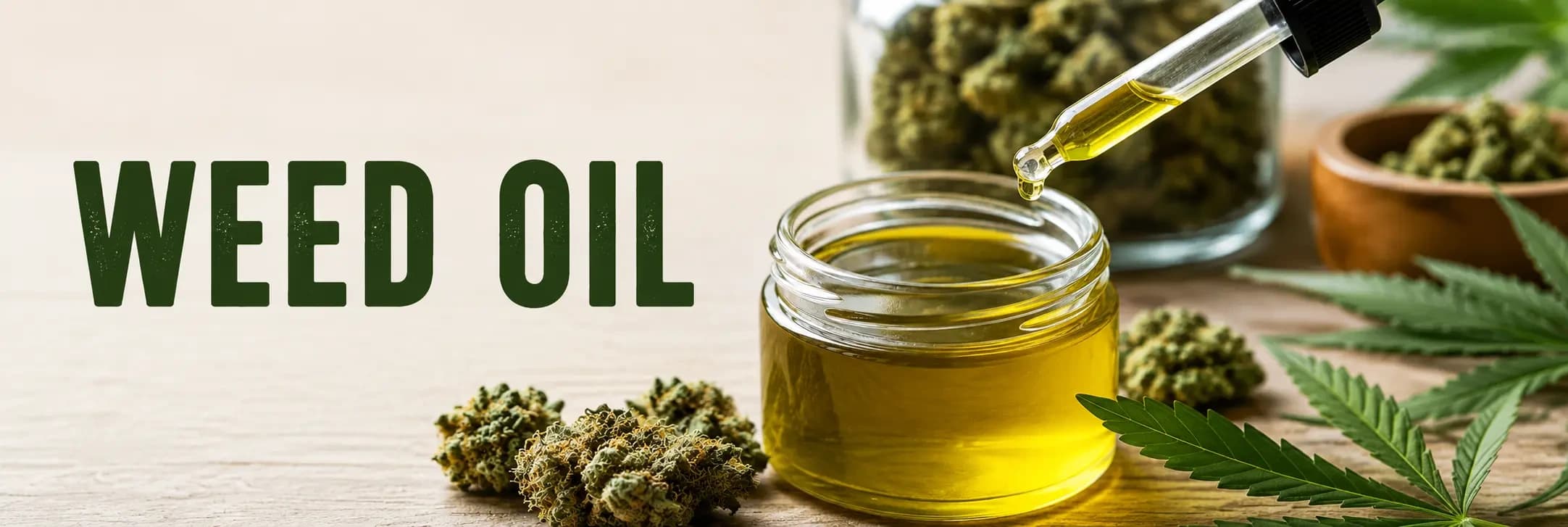
If you enjoy experimenting with cannabis recipes at home, weed oil is one of the most versatile ingredients you can make. It can be used as a base for edibles, mixed into beverages like smoothies, milkshakes, or coffee, and even applied topically for relaxation.
Since cannabis oil has a wide range of uses, making it at home can be a convenient and cost-effective option if you use it regularly. In this guide, you’ll learn what you need to make weed oil, the step-by-step infusion process, tips for proper dosing, and different ways to use cannabis oil at home.
What is Weed Oil?
Weed oil is a cannabis-infused oil made by extracting cannabinoids like THC and CBD from the cannabis flower into a carrier oil such as coconut oil, olive oil, or MCT oil. Since cannabinoids are fat-soluble compounds, they bind well with oils during the infusion process.
Weed oil is commonly used to make edibles, mix into beverages, or apply topically, depending on the type of infusion. The potency of the oil can vary based on the cannabis strain, cannabinoid content, and infusion method used.
What Do You Need to Make Weed Oil?
To make weed oil at home, here are the ingredients and equipment you will need.
Ingredients:
- ½ cup to 1 cup, i.e., about 4 to 8 ounces of cooking oil (olive oil, coconut oil, avocado oil, or whichever you prefer)
- 3.5 grams to 7 grams of cannabis flower
Equipment:
- Baking tray
- Parchment paper
- Cheesecloth or mesh strainer
- Saucepan, double boiler, or crockpot
- Thermometer (optional)
- Airtight glass container
If you plan to make weed oil at home, it’s important to ensure you have fresh, high-quality cannabis flower and all the essential accessories required to prepare it.
How to Make Cannabis Oil from Weed?
If it’s your first time making cannabis oil, it can feel confusing initially, especially when you aren’t sure how it’s done. So, that’s why it’s important to become familiar with the process.
This starts by decarboxylating the cannabis flower to activate the cannabinoids before slowly infusing it into a carrier oil on the stovetop. Here’s a step-by-step guide to making your own cannabis oil at home.
Decarboxylate the Weed
The first step to making weed oil is decarboxylation, which is the process of heating cannabis flower to activate the cannabinoids. Raw cannabis naturally contains THCA and CBDA, which are inactive compounds. Once exposed to heat, they convert into THC and CBD, allowing the weed oil to produce its desired effects.
To begin, preheat your oven to around 220°F to 240°F (104°C to 115°C). Then, lightly break apart the cannabis flower into smaller pieces using your hands or a grinder. Avoid grinding it too finely, as this can make the final oil harder to strain.
Next, line a baking tray with parchment paper and spread the cannabis evenly across the surface. Bake it in the oven for approximately 30 to 40 minutes, gently stirring the flower once or twice during the process to ensure even heating. Once finished, the cannabis should appear slightly golden-brown and feel dry to the touch. Allow it to cool for a few minutes before moving on to the infusion process.
Infuse the Decarbed Weed with Oil
Once the cannabis flower has been decarboxylated, the next step is to infuse it with your preferred cooking oil. This process allows the activated cannabinoids, such as THC and CBD, to bind with the fat in the oil.
To begin, add your cooking oil and decarboxylated cannabis into a saucepan, double boiler, or crockpot over low heat. Ideally, maintain a temperature between 160°F and 200°F (71°C and 93°C) to prevent the cannabinoids from overheating or burning. If you have a thermometer, it can help you monitor the temperature more accurately, although it’s optional.
Let the mixture simmer for about 2 to 3 hours while stirring occasionally. During this process, the oil will gradually absorb the cannabinoids and terpenes from the cannabis flower.
Avoid letting the mixture boil, as excessive heat of over 200°F can reduce the potency and affect the flavor of the weed oil. Once the infusion is complete, the weed oil should appear dark green to golden-brown in color with a slightly thick and smooth texture, depending on the type of oil used.
Strain the Oil Using a Cheesecloth or Mesh Strainer
After the infusion process is complete, the next step is to strain the weed oil to remove the leftover cannabis plant material. This helps create a smoother and cleaner oil texture.
To begin, place a cheesecloth or fine mesh strainer over a bowl, mason jar, or airtight glass container. Then, slowly pour the infused oil through the strainer to separate the liquid from the cannabis flower. If you are using a cheesecloth, you can gently squeeze it afterward to extract the remaining oil.
However, avoid squeezing too hard, as this can push unwanted plant particles into the oil and affect its texture or taste. Once strained, the weed oil should appear relatively smooth with minimal plant residue remaining. Allow the oil to cool completely before sealing and storing.
Store the Oil in a Mason Jar or an Airtight Glass Bottle
Once the weed oil has been strained, allow it to cool completely before transferring it into a mason jar or an airtight glass bottle. Proper storage is important to help preserve the potency, flavor, and freshness of the cannabis oil over time.
Ideally, its optimal potency can last up to a year, while the oil can stay fresh for 1 to 3 years if you keep the container in a cool, dark place away from direct sunlight, heat, and moisture, such as the pantry, cabinet, or drawer. Excessive exposure to heat and light can gradually break down the cannabinoids and reduce the oil’s effectiveness.
Tips to Properly Dose Weed Oil
Proper dosing is important when using homemade weed oil, especially since the potency can vary depending on the cannabis strain, THC percentage, infusion time, and amount of oil used. As homemade cannabis oil is not lab-tested, it’s always recommended to start with a lower dose and gradually increase it over time if needed.
For beginners, starting with a microdose or a low THC dose can help you understand how your body reacts to cannabis-infused oil before consuming larger amounts. The effects of weed oil used in edibles or beverages can also take longer to kick in compared to smoking or vaping cannabis, so avoid taking additional doses too quickly.
Here’s a general THC dosage chart to help you understand the expected effects based on THC consumption levels.
THC Amount | Experience Level | Expected Effects |
1–2.5 mg THC | Microdose / Absolute Beginners | Very mild effects, slight relaxation, minimal intoxication |
2.5–5 mg THC | Beginners | Mild euphoria, light body high, manageable psychoactive effects |
5–10 mg THC | Intermediate Users | Moderate high, noticeable relaxation and stronger psychoactive effects |
10–20 mg THC | Experienced Users | Strong intoxicating effects, intense euphoria, heavy body sensation |
20+ mg THC | High-Tolerance Users Only | Very potent effects that may feel overwhelming for inexperienced users |
Source: Cannabis Creditz
As homemade weed oil potency can vary, the exact THC content may not always be precise. However, this approximate weed oil measurement guide can help you estimate a beginner-friendly serving size.
Weed Oil Amount | Approximate THC Range |
¼ teaspoon | 2–5 mg THC |
½ teaspoon | 5–10 mg THC |
1 teaspoon | 10–20 mg THC |
If you’re a beginner, you should start with around ¼ teaspoon of weed oil and wait at least 1 to 2 hours before considering another dose, while experienced users with a higher THC tolerance may gradually increase the serving size depending on their desired effects.
Ways to Use Cannabis Oil
One of the best parts about making cannabis oil at home is its versatility. You can use it in a variety of ways, whether you enjoy cooking cannabis edibles, mixing it into your favorite beverages, or applying it topically to relax and unwind.
Depending on how you prefer to consume cannabis, weed oil can easily become a convenient ingredient in your daily routine.
Cooking and Baking
Typically, oil is the base ingredient in almost every food item. Whether it’s a savory meal or a delicious, sweet dessert, you may need oil to make it. Now, if you’re up for cooking or baking homemade cannabis edibles, then weed oil is the primary ingredient that you need, unless you prefer using cannabutter.
Weed oil is used in a variety of recipes, which commonly includes:
- Brownies
- Cookies
- Cakes and cupcakes
- Gummies
- Chocolates
- Muffins
- Pasta sauces
- Salad dressings
- Pancakes and waffles
- Homemade candies
Tip: When cooking or baking with cannabis oil, avoid using excessively high temperatures above 200°F, as too much heat can reduce the potency of the cannabinoids. It’s also important to properly measure the amount of weed oil used in each serving to help maintain a more consistent THC dosage.
Mix it into Beverages
If you enjoy frappes, smoothies, bubble tea, and other refreshing cold drinks, or a hot cup of latte or mocha, you can use a small amount of weed oil to experience the elevating and relaxing effects of cannabis.
Many cannabis users prefer mixing the oil into beverages it requires minimal preparation while still allowing them to enjoy the effects of cannabis oil. Here are some common beverages that are consumed with weed oil.
- Coffee
- Tea
- Smoothies
- Milkshakes
- Hot chocolate
- Protein shakes
- Fresh juices
Since oil and water do not naturally mix well, weed oil tends to blend better with beverages that contain some fat, such as milk-based drinks, smoothies, or cream-based coffee. Stirring thoroughly can also help distribute the oil more evenly throughout the beverage. As cannabis-infused drinks can take time to produce their effects, start with a small amount of weed oil and wait before consuming additional servings.
As a Topical
Besides cooking, baking, or mixing it into beverages, you can also use weed oil as a topical for relaxation and soothing effects. Simply applying a small amount of cannabis oil onto the skin and gently massaging it into the targeted area can create a calming and comforting experience.
Many people commonly apply weed oil to areas such as the shoulders, neck, arms, legs, or joints after a long and tiring day. Depending on the type of carrier oil used, cannabis oil may also help leave the skin feeling moisturized and smooth.
However, since homemade weed oil is primarily designed for infusion purposes, you can also consider mixing it with ingredients such as beeswax, shea butter, or essential oils to create homemade cannabis balms, salves, or massage oils for easier topical application.
Which is Better: Purchasing Cannabis Oil or Making it at Home?
Whether purchasing cannabis oil or making it at home is better mostly depends on your personal preference, convenience, budget, and desired potency. Store-bought cannabis oils are usually lab-tested, professionally formulated, and offer more accurate THC or CBD dosing, which can be a helpful option if you’re a beginner or if you prefer consistency and convenience.
On the other hand, making weed oil at home gives you more control over the ingredients, cannabis strain, potency, and infusion method used. It can also be a more cost-effective option if you regularly use cannabis oil for edibles, beverages, or topical applications.
However, homemade weed oil may have less precise dosing compared to commercially manufactured cannabis oils. Ultimately, both options have their own advantages, and the better choice depends on how you prefer to consume and customize your cannabis experience.
The Bottom Line: Should You Make Weed Oil at Home?
Well, that depends. Even if you’re passionate about exploring different ways to experience cannabis, making weed oil requires patience and hard work. It’s also important to follow the right steps, especially if it's your first time.
On the other hand, if you do have experience cooking and baking, more importantly, if you enjoy the process, then you should definitely try making weed oil at home. By any means, if you don’t feel like going through this long, time-consuming process, you always have the option to purchase weed oil from a trusted weed dispensary.
If you’re located in Grand Rapids, Michigan, you can consider exploring Skunkz Cannabis to find high-quality weed oil and other cannabis products at an affordable price with exclusive offers and discounts.
Frequently Asked Questions (FAQs)
Can weed produce oil?
Yes, weed can produce oil through an infusion or extraction process. Typically, cannabis flower is heated to activate the cannabinoids and then infused into a carrier oil such as coconut oil or olive oil to make weed oil.
How do I make my own infused oil?
To make your own infused oil, first decarboxylate the cannabis flower by heating it in the oven to activate the cannabinoids. Then, simmer the decarbed cannabis with a carrier oil such as coconut oil or olive oil over low heat for several hours before straining and storing the oil. If you need to understand the recipe in detail, scroll up to learn the step-by-step process.
Is it easy to make weed oil?
Yes, making weed oil at home is relatively easy if you follow the proper steps. The process mainly involves decarboxylating the cannabis flower, infusing it with oil over low heat, and straining the mixture before storage.
Is weed oil stronger?
Yes, weed oil can often feel stronger than cannabis flower because the cannabinoids become more concentrated during the infusion process. While cannabis flower commonly contains around 15% to 30% THC on average, weed oils and cannabis-infused oils have higher THC concentrations of 60% to 90% per serving, especially when used in edibles or beverages, which may also produce longer-lasting effects.
How much weed do you need to make cannabis oil?
Most homemade weed oil recipes commonly use around 3.5 grams to 7 grams of cannabis flower per ½ cup to 1 cup of carrier oil.
What happens if weed oil gets too hot?
Excessive heat above 200°F can gradually break down cannabinoids and terpenes, which may reduce the potency and flavor of the weed oil.